























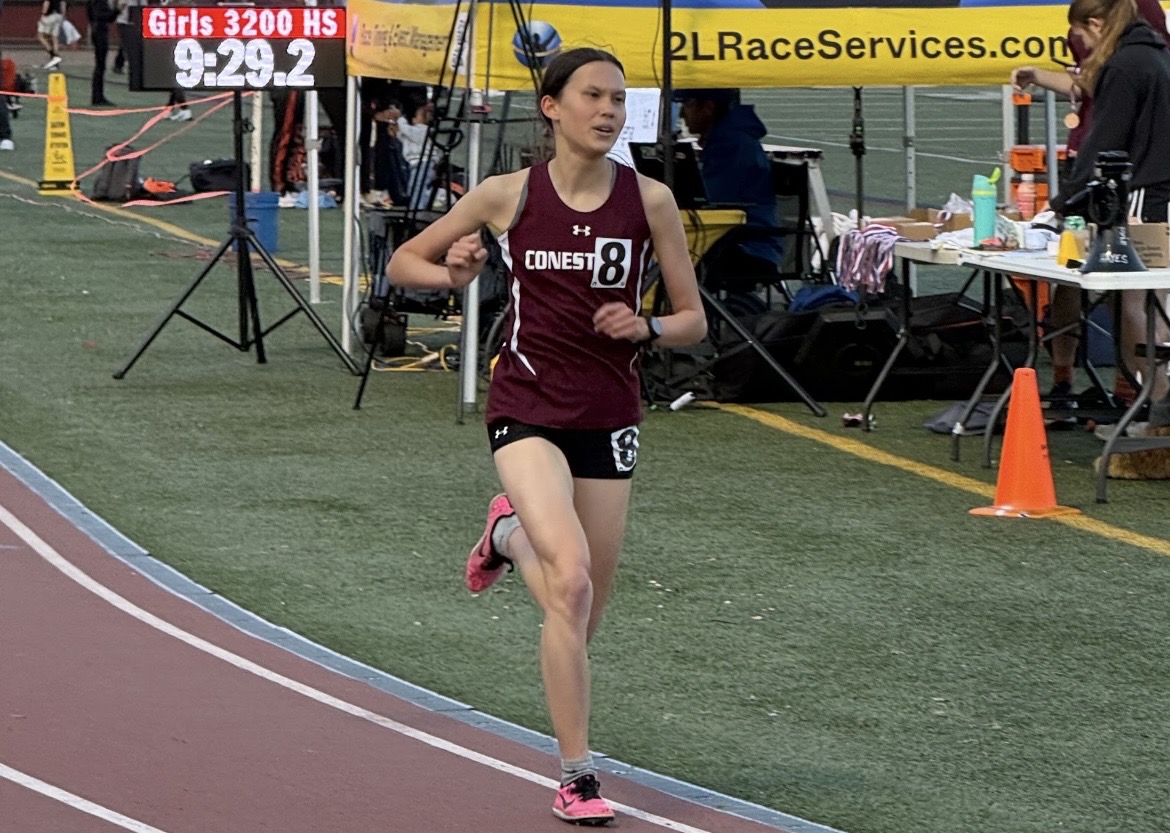





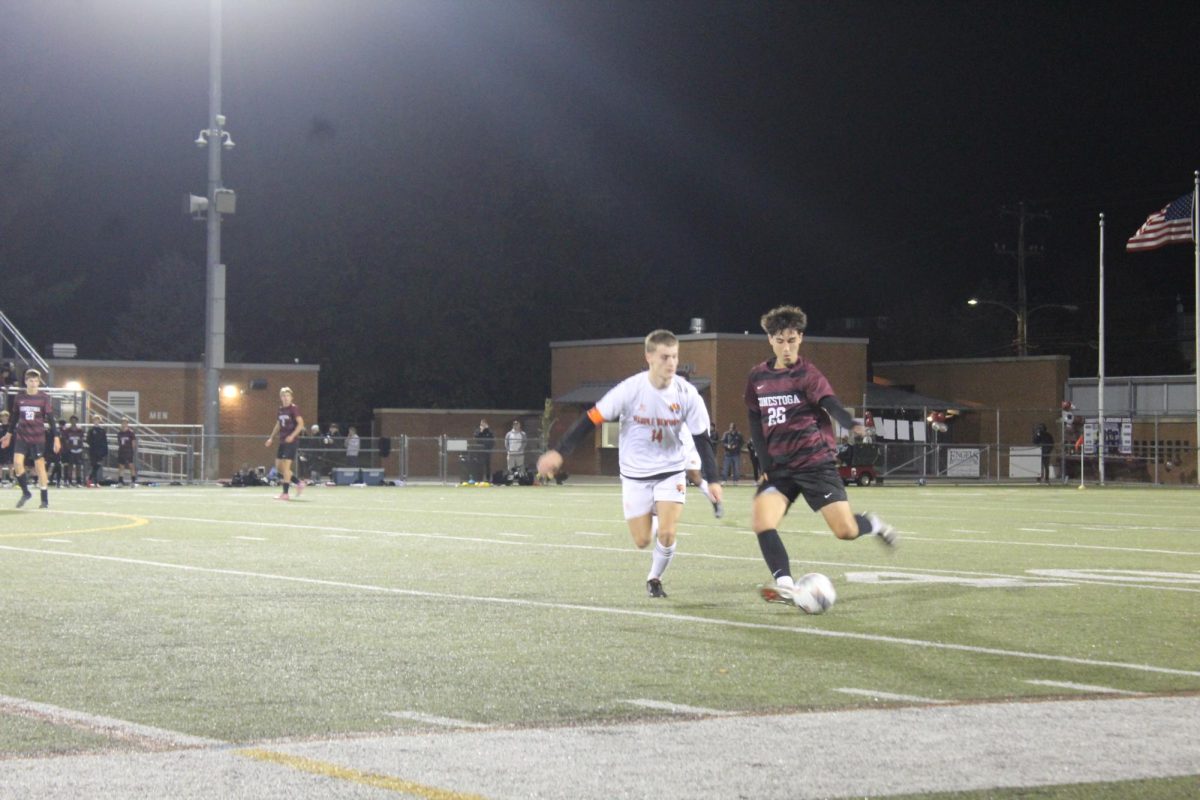
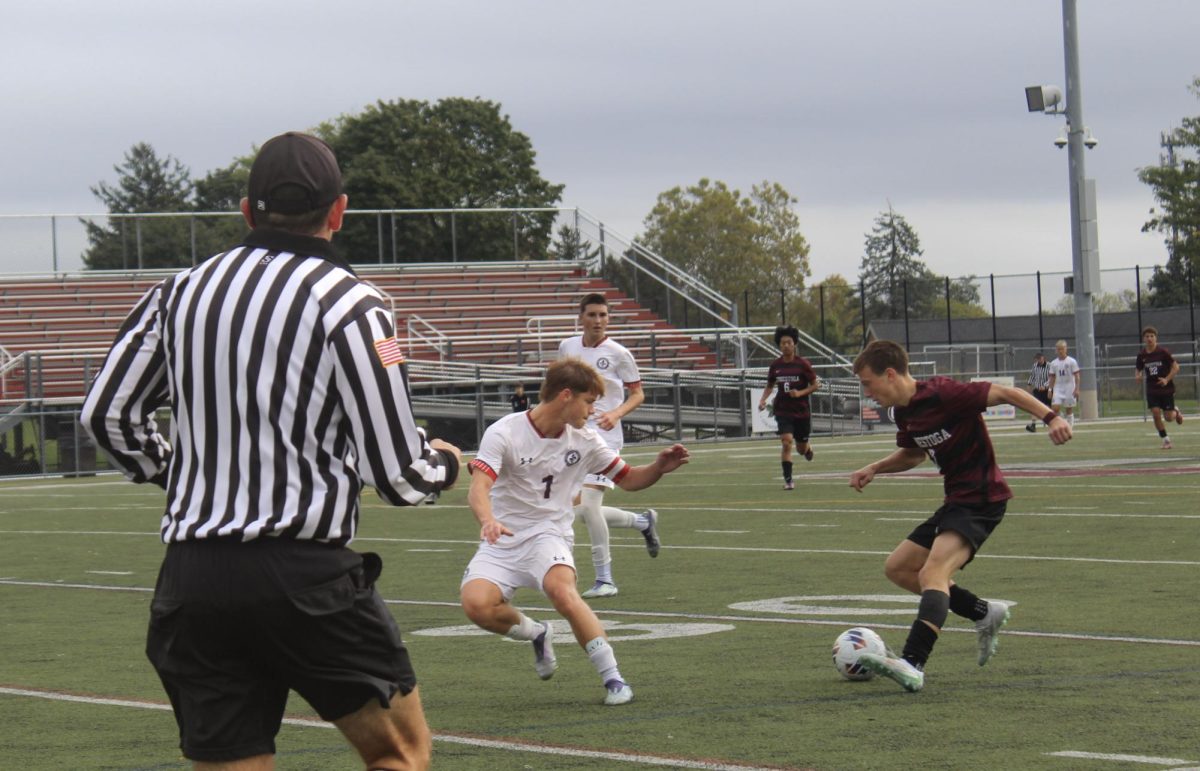
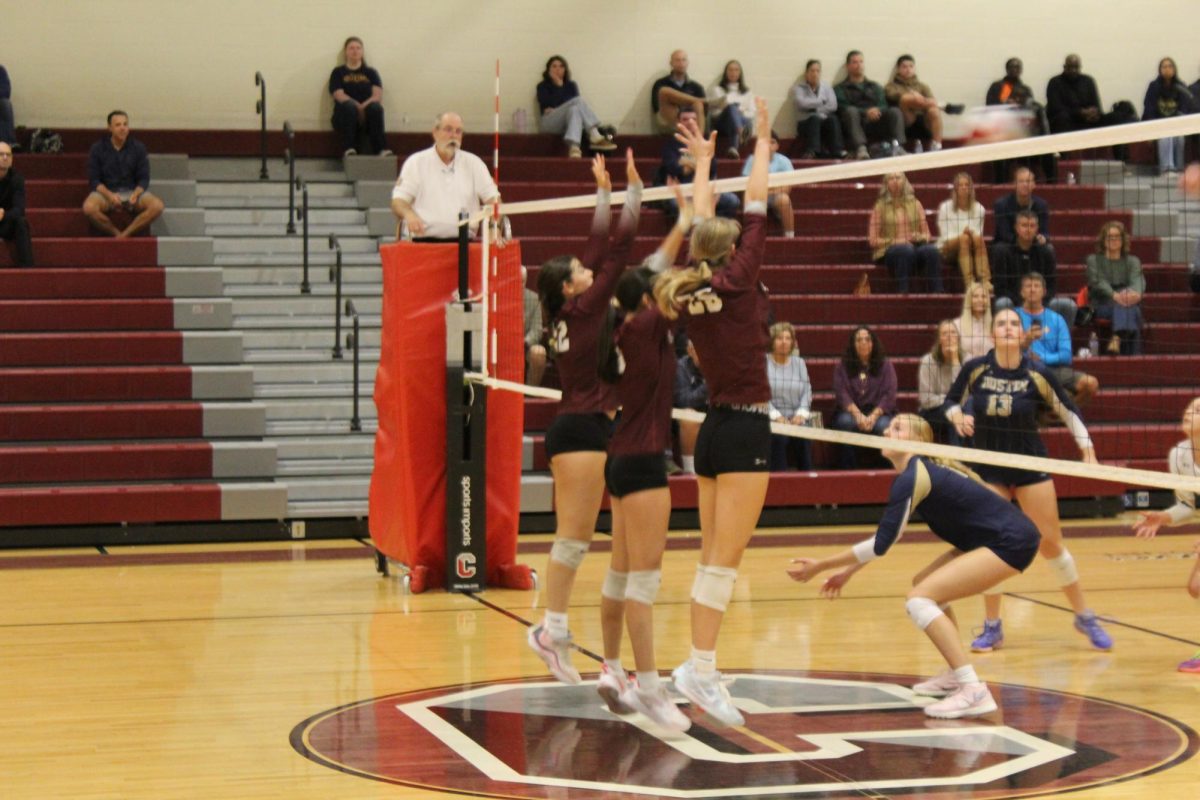
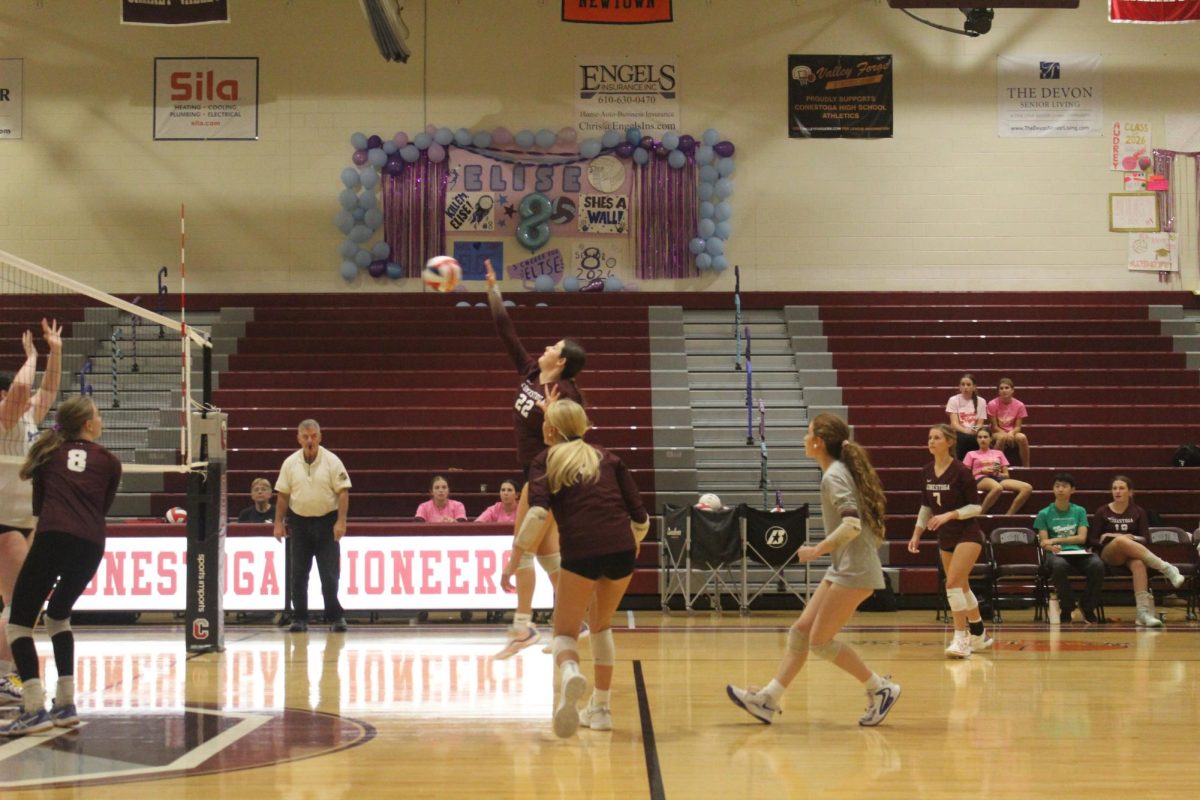


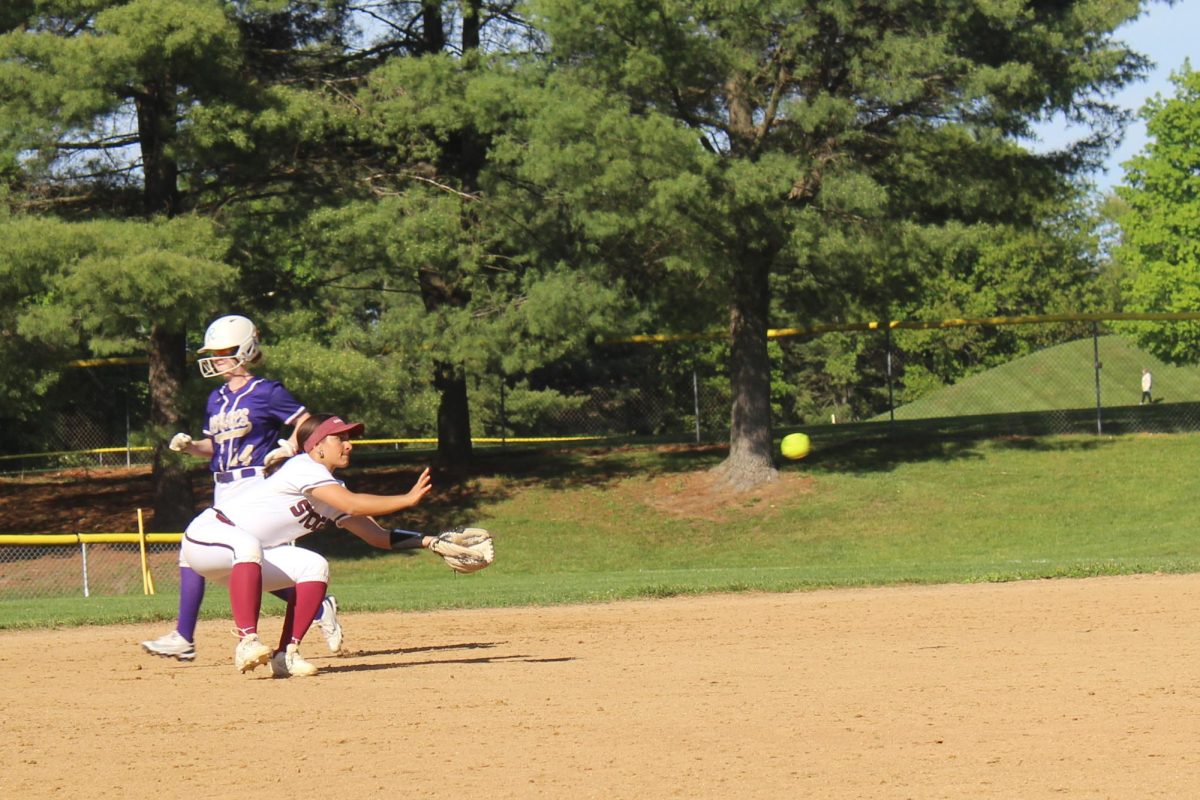
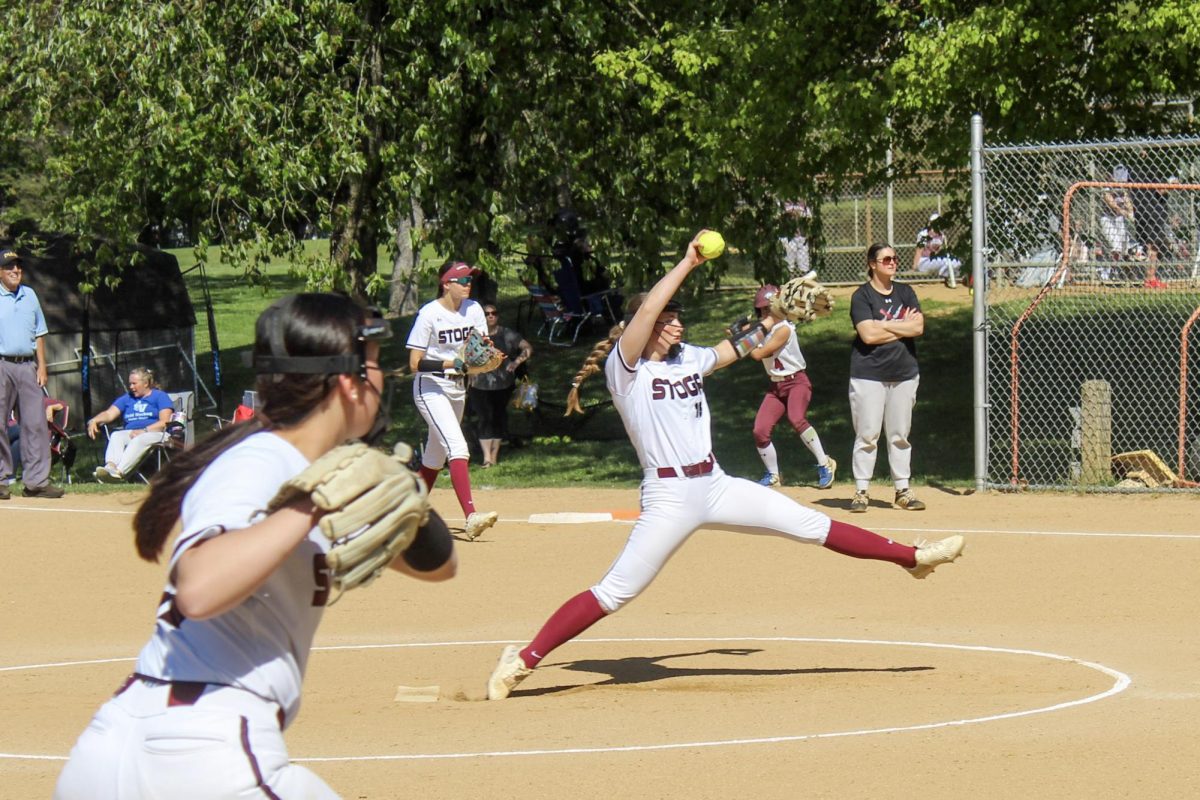
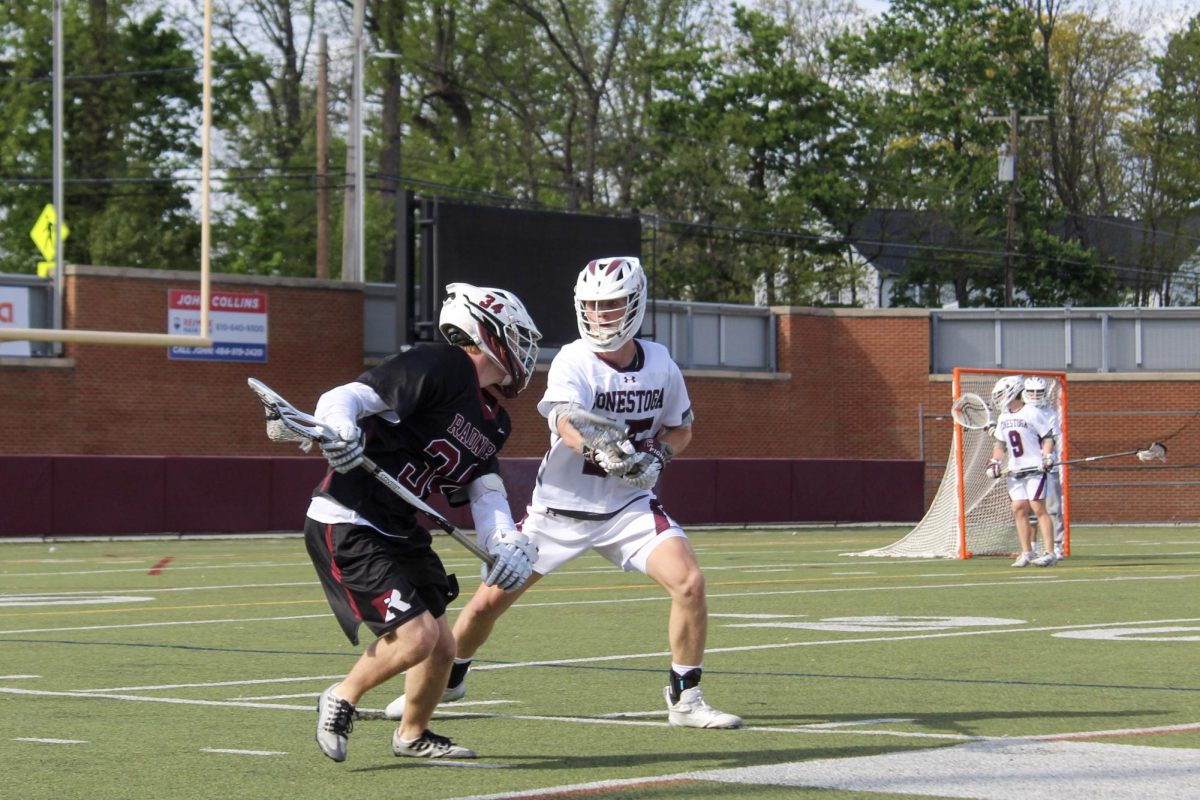
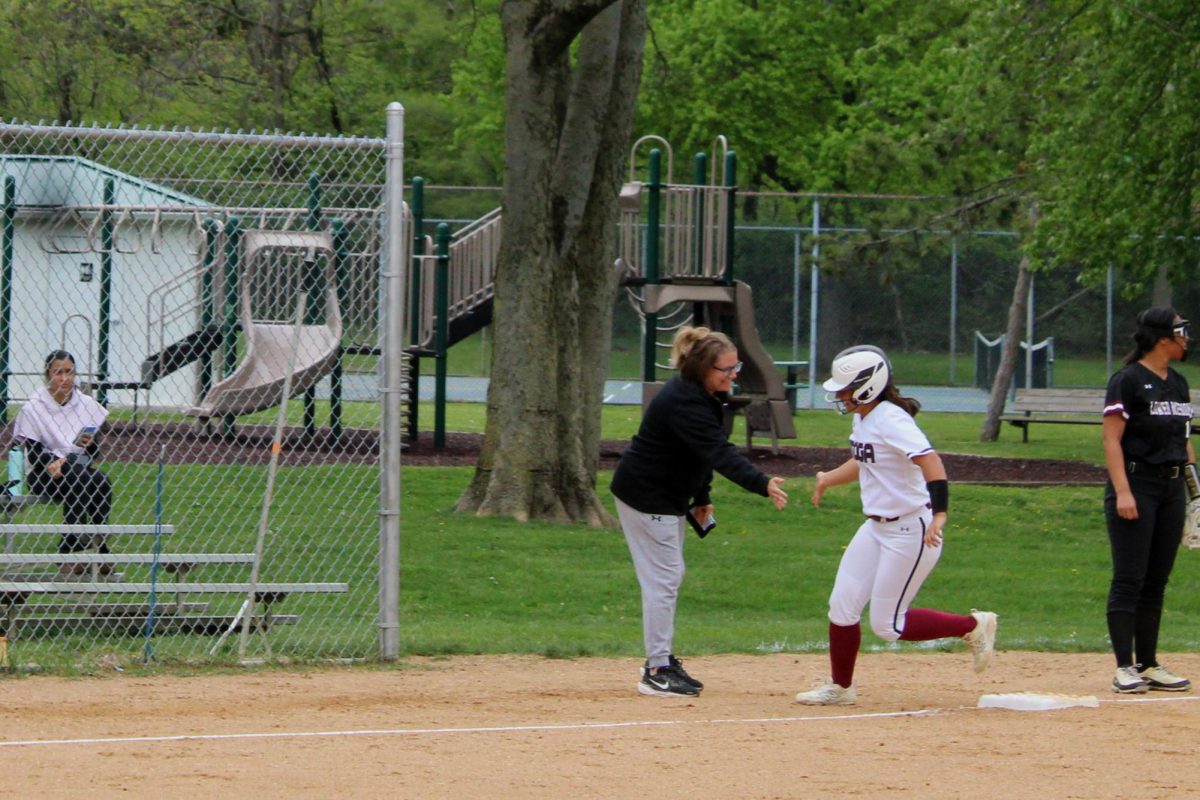
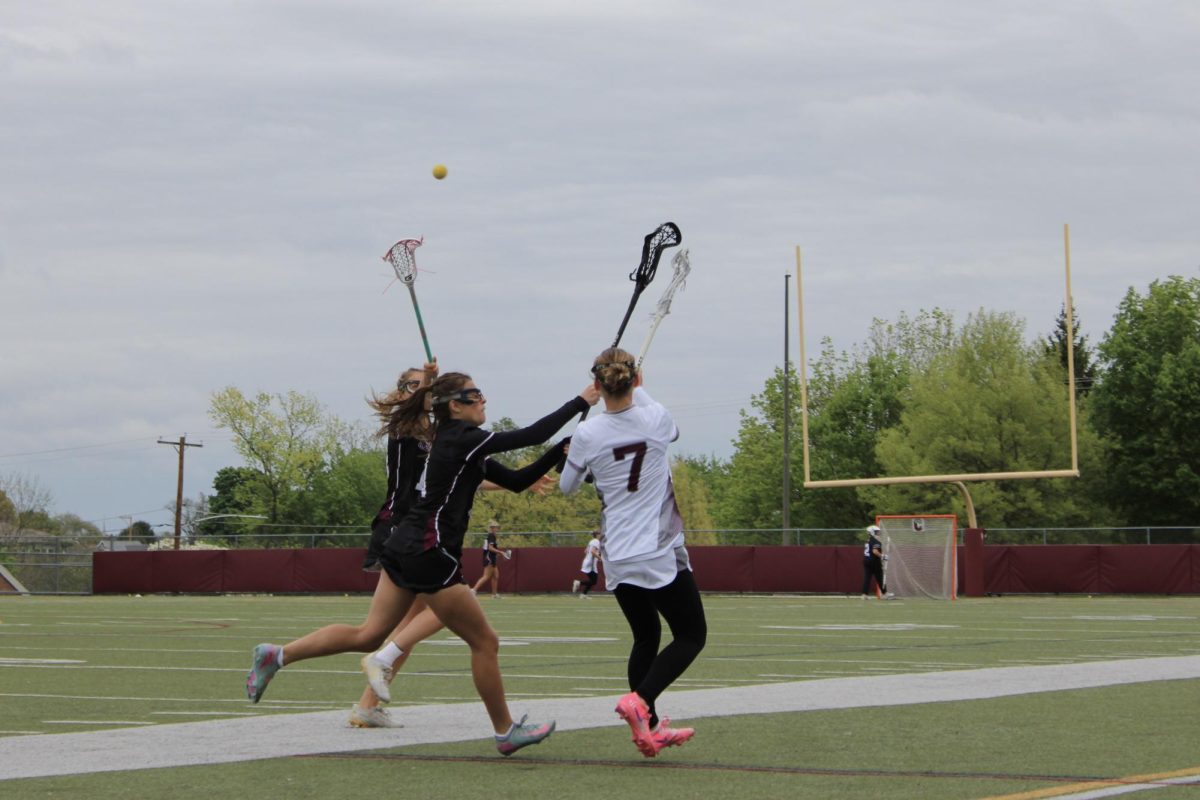




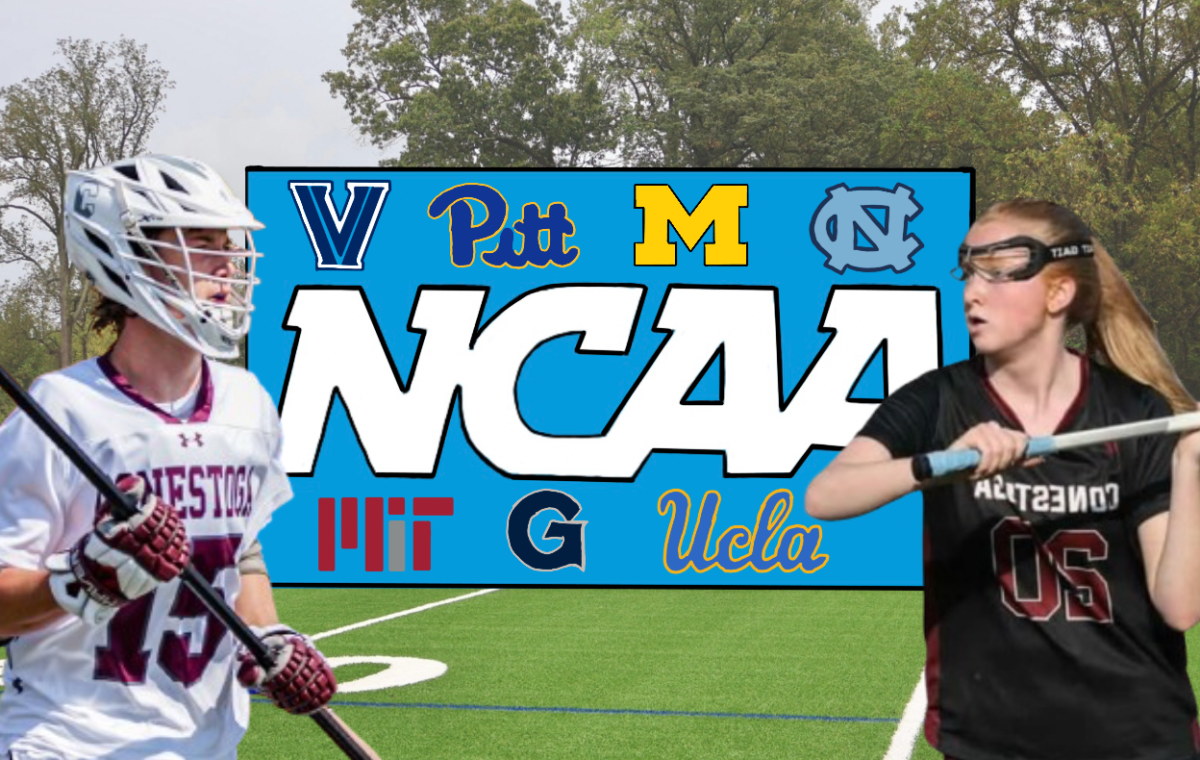
For years, senior Maggie Neary has played lacrosse competitively. Training with the Conestoga girls’ lacrosse team and a club team called NXT Lacrosse, she spent hours balancing schoolwork and athletics. On top of all her activities in high school, she started sending emails in hopes of having a university recruit her as a student-athlete.
She received her acceptance and recruitment offer earlier in December 2025 after applying early action to MIT. In March, Neary formally committed to the university, an NCAA Division III school.
“I had always been very (drawn) to (MIT’s) academics,” Neary said. “I wanted to play a sport in college, and the Division III level I thought would fit me best because I would best be able to balance my life, my academics and my sports. I very well could have been passing up on opportunities from other coaches for MIT and then not having gotten to MIT. I had to put a lot of trust in myself that I knew what I wanted, and I’m super grateful that I was accepted.”
Like Neary, student-athletes across the country continue to train in their sports while pursuing the college recruitment process every year. During recruitment, universities seek out specific student-athletes to play for their sports teams and accept them as official undergraduate applicants.
Having to face the challenges of academic work, personal life and competitive sports, student-athletes within Conestoga have had to adapt to changes in the recruiting process over the past decade and deal with its effects on their mental well-being. Neary personally felt pressure during the recruitment process when seeing other fellow athletes commit.
“It (recruitment) is not as glorified as it is on Instagram,” Neary said. “It seems demoralizing when you’re comparing your perspective to kids that commit, but it is so rarely as awesome as it sounds. I was one of the only girls on my team to not be committed, and I almost wanted to settle for a school just to say I could commit. I really had to focus on not comparing myself to others, because if you stick with what you want or what you know that you love, it will end up working out one way or another.”
Similar to Neary, during the fall of her junior year, senior Anthea Lin reached out to coaches for months before formally committing to play squash for Georgetown University. Josh Simon, her private coach, helped Lin navigate the recruitment process. Working with student-athletes frequently, he feels that the system is difficult due to pressure, but also offers opportunities for student-athletes to prove themselves.
“When you start seeing your peers get offers and maybe you haven’t got a single offer yet, I think it’s hard to teach that person just to have patience and your time will come and continue doing what you’re doing: Don’t fall off. Don’t get panicked. The opportunity will be there, and don’t just get discouraged,” Simon said. “You have to stay true to the course and (have the student) understand that they’re okay. You have opportunities.”
Students participate in athlete recruitment
When accepting students, Conestoga school counselor Daniel McDermott said that colleges take a holistic approach and evaluate students first in terms of academic performance, financial eligibility and individual traits such as leadership. Helping various Conestoga students in the recruitment process for more than 10 years, he emphasizes that student-athletes have another aspect to consider: athletic capability.
“When we talk about the college process, we talk about three fits: academic fit, personal social fit and financial fitness,” McDermott said. “Then when you throw in athletics, you throw in a fourth fit, which is called athletic fit — what are the things that are important to you and how do you find a balanced approach for all of that?”
According to the National Institutes of Health, during the 2023-24 school year, more than 538,000 student-athletes competed across nearly 20,000 sports programs in the NCAA. The nonprofit organization oversees college athletics in the U.S., requiring students to meet university specific requirements to participate in NCAA sports, such as GPA, standardized test scores and core class credits.
For various student-athletes, recruitment starts near the beginning of their junior year when they reach out to schools or schools contact them through email. According to the NCAA Scholarship Guide, college coaches and admissions officers often conduct an academic pre-read early in the recruitment process, or an initial assessment of a student’s qualifications.
Senior Fure Abhulimenhas been involved in track and field for over six years and has committed to continuing her athletic career at Tufts University. After initial conversations, the college checked that she had met its academic standards.
“For me, it was first like, ‘Okay, before we even continue our communication, let’s see your transcript, let’s see your grades,’” Abhulimen said. “So I would say academics is a precursor before they start looking at your athletics. They want to make sure that before they continue the conversation, you even have a probability of being accepted into their school.”
After evaluation, the college may invite students for official campus visits. While observing the campus, students can meet with coaches and teams to understand expectations and learn more. The recruitment process ends when the student makes a verbal commitment, or an agreement to play for a college’s sports team, and since Oct. 9, 2024, confirms a written offer of athletic aid with the specific school. The written offers replace the previous National Letter of Intent (NLI), or an official document of the NCAA lasting one academic year that allows the student to receive financial aid from the school during the period according to NCSA College Recruiting.
McDermott said that the details of the recruitment process can vary for each sport and student despite the standardized structure.
“It’s not linear, kind of messy. And it really does depend on the sports and depends on the type of recruit you are,” McDermott said. “The process is very, very different compared to students who are playing maybe DI or DIII or DII at different schools.”
Conestoga adapts to process, transfer portal shifts
With changes over the last decade, student-athletes and coaches involved in athletic recruitment have adapted to navigating the collegiate sports process. In 2018, the NCAA created a transfer portal in aims of better streamlining the process. The portal displays student-athletes’ information and allows coaches from other schools to actively search for as well as contact players. On April 3, President Donald Trump signed Executive Order 14400 changing various NCAA eligibility and transfer rules. It established that athletes could play for no more than five years without sitting out and have one transfer limit during the five-year period.
Pechin feels that the implementation of the portal and changes to recruitment in general have caused an increase in students already enrolled in universities transferring to different schools, leading high-level colleges to be less likely to recruit high school athletes.
“It (high-level colleges reaching out to students with offers) happens every now and then, but it’s not as prevalent because the NCAA portal,” Pechin said. “Colleges aren’t looking so much at high schools as they did before. They’re looking more at small colleges, kids who are entering the portal and who could be a best match from the portal and not the high school.”
In addition to the transfer portal creation, students and their families have continued to address financial concerns while in the recruitment process. As a student-athlete parent, TJ Neary said that financial support is a critical factor in several student athletes’ decision to enroll at a college.
“I’m sure it’s the case for some students here that they’re not going to be able to go to a certain school unless they get financial support from a school,” TJ Neary said. “A scholarship of some sort is going to be the vehicle for them to go to that school. Otherwise, they wouldn’t be able to.”
In recent years, the July 2025 House v. NCAA antitrust settlement started allowing athletics programs to directly compensate collegiate student-athletes for their name, image and likeness, according to the National Conference of State Legislatures. Under the settlement, NCAA schools can now share revenue from student performance and media exposure directly with collegiate athletes at a yearly cap of $20.5 million.
Kristi Phipps, mother of junior and Conestoga field hockey player Elsie Phipps, feels that the additional revenue streams help student-athletes, as a number of them face financial pressures with college related costs. According to the NCAA, Division I and II schools grant almost $4 billion in athletics scholarships every year while Division III schools do not offer athletic scholarships. It reports that around 2% of high school athletes are awarded scholarships to compete.
“Many of the offers for student-athletes to play in college are not full scholarships,” Kristi Phipps said. “There is no financial commitment, incentive or scholarship from the athletic department to go there. Many others are partial scholarships. It is not very common to have a full scholarship.”
With the rise in digitalization, Pechin said that social media and digital monetization of player performance has also significantly influenced the aspects of what universities consider when recruiting student-athletes.
“It’s pretty much a new world now with the portal and social media. As a result of COVID, we livestream all the varsity games. So there’s so much film out there on kids that they’re able to create a pretty good highlight reel of what they’ve done,” Pechin said. “They want to see how you react, not just you dunking the ball. They want to see how you react when you’re going through some adversity that carries as much weight as you dunking (the ball). The colleges look at the entire aspect of an athlete, not just their skill set.”
Student-athletes maintain mental health amid recruitment
Combining a lengthy recruitment process with steps such as early signing periods, coach communications, academic requirements and non-student-athlete specific college applications, several high schoolers have felt increased levels of stress. School psychologist Jess Taraborrelli played field hockey for Rider University and feels that recruitment has a significant impact on mental well-being.
“Mental health as it relates to sports recruitment is really important to work on because getting recruited is a lot of pressure,” Taraborrelli said. “There can be a lot of anxiety behind it. Am I good enough? Am I going to beat this other person out for this specific spot? Does the coach want me?”
Especially with a waiting period before hearing back from colleges, McDermott said that many students worry about coaches’ delayed responses and compare themselves to other student-athletes.
“You can’t take it too personally. A lot of coaches, just like teenagers, they’ll ghost you sometimes, and they don’t respond,” McDermott said. “They also get hundreds of emails from students who are interested, so they may not be able to respond back to you.”
Senior Gunnar Flesher committed to playing lacrosse at Rochester Institute of Technology in January of his junior year. Beyond direct impacts on mental well-being, Flesher also feels that the recruitment process can lead students to focus less on college academics or plans after college.
“For a lot of kids, the prominence (of a college’s athletic program) is the biggest thing to go after,” Flesher said. “They don’t really think a lot about the future. They don’t think about what they’re doing after college.”
Despite the stress, Taraborrelli emphasizes the importance of student-athletes maintaining motivation throughout the college recruitment process.
“The internal pressures or that pressure of being perfect is sometimes inevitable, but it’s really important to set what your goals are,” Taraborrelli said. “That is the biggest thing: setting realistic expectations for yourself with your goals in mind and staying true to yourself.”
Jeffery Hang can be reached at [email protected].
Emily S. Wang can be reached at [email protected].
Fryashti Mishra can be reached at [email protected].
Nishta Subramanian can be reached at [email protected].