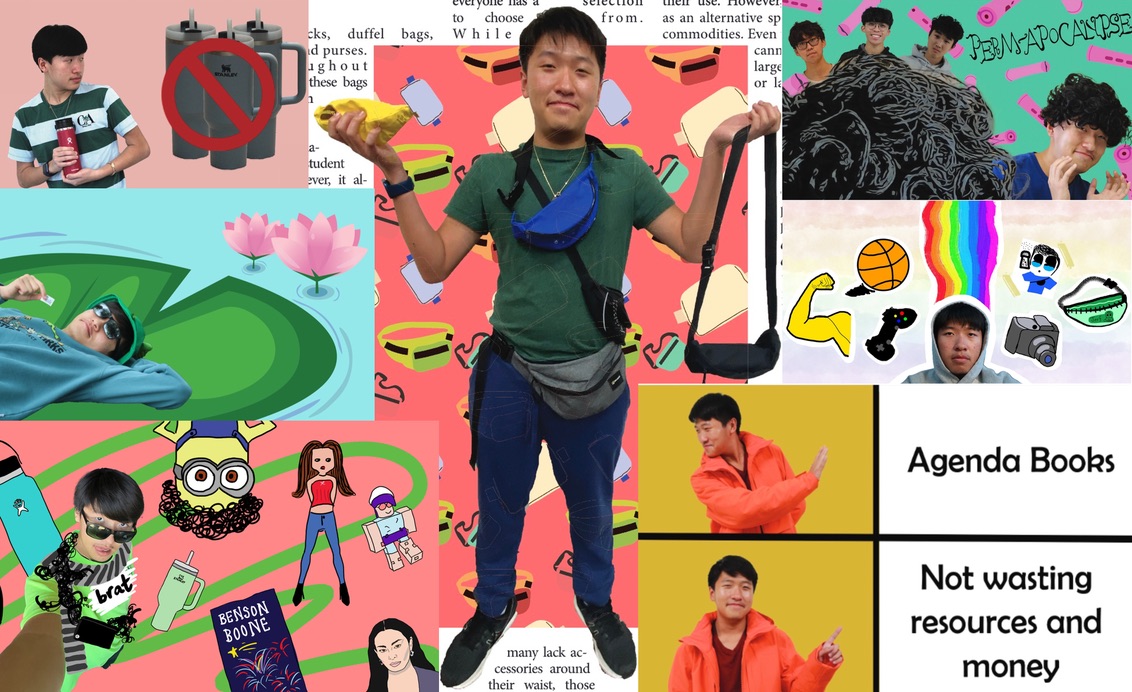














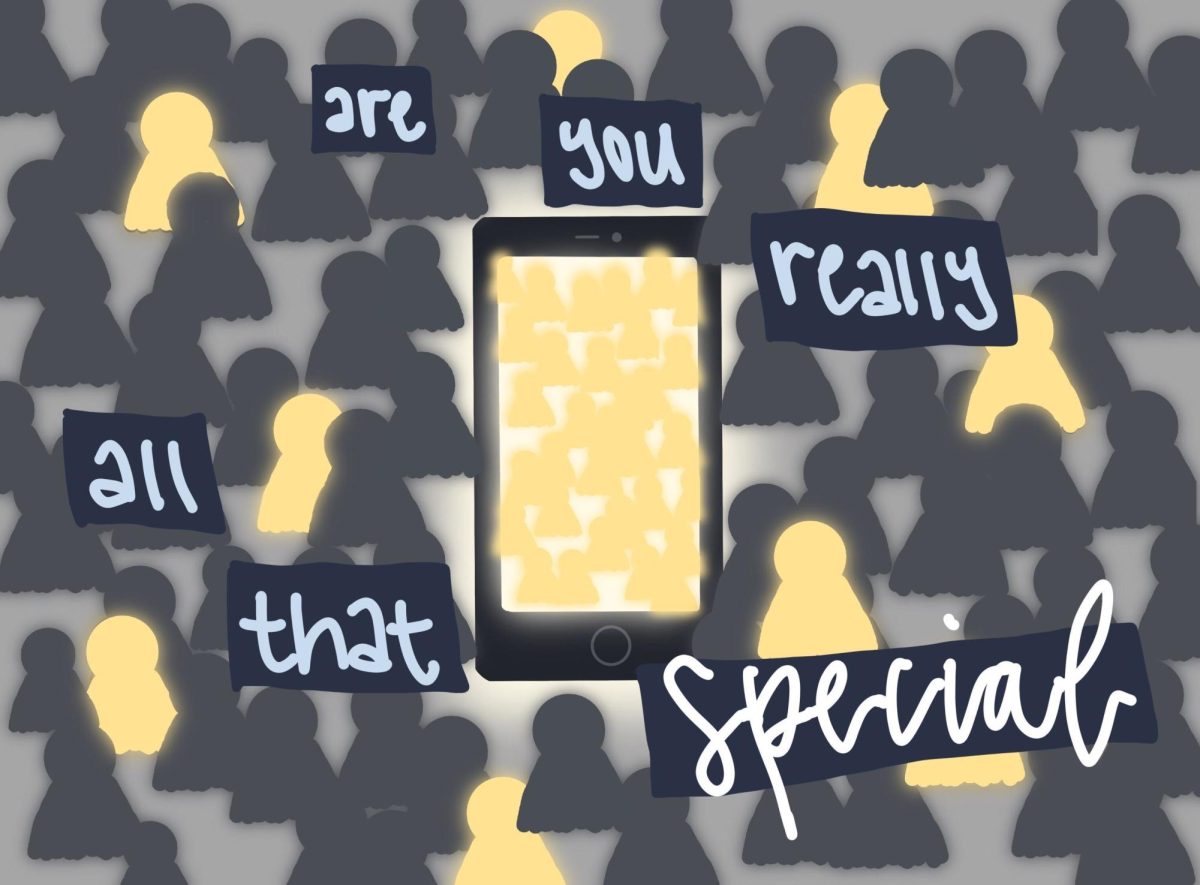













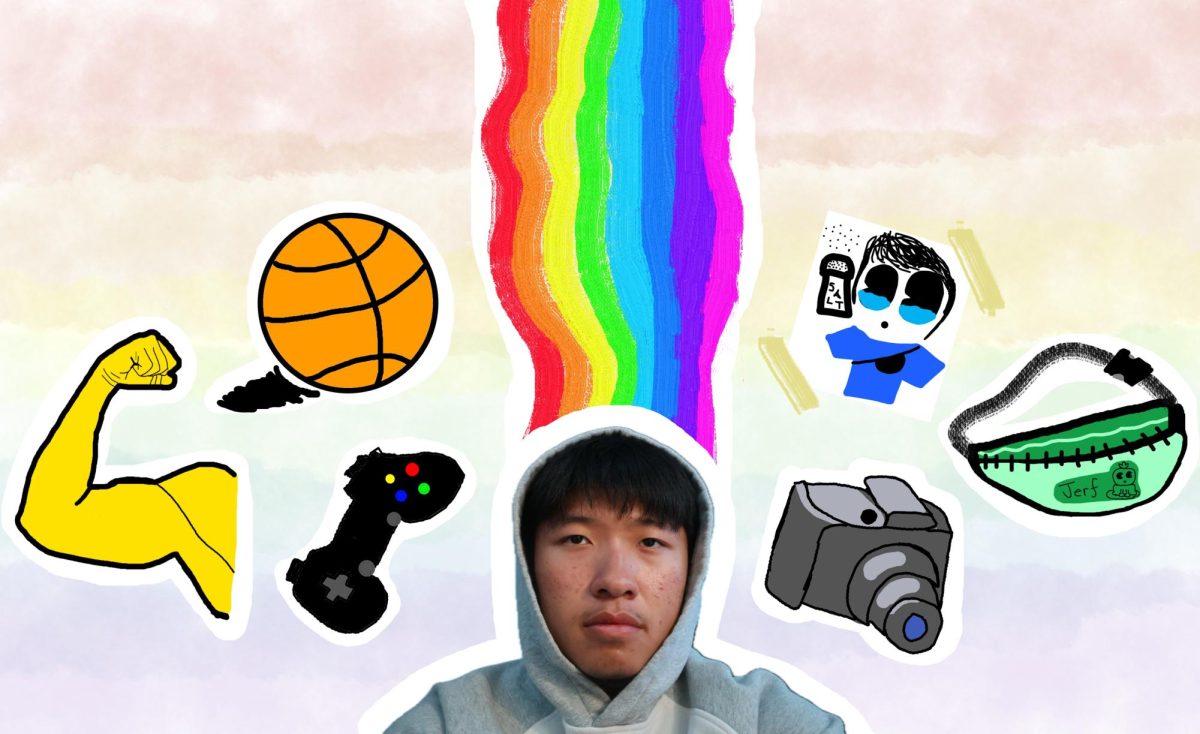

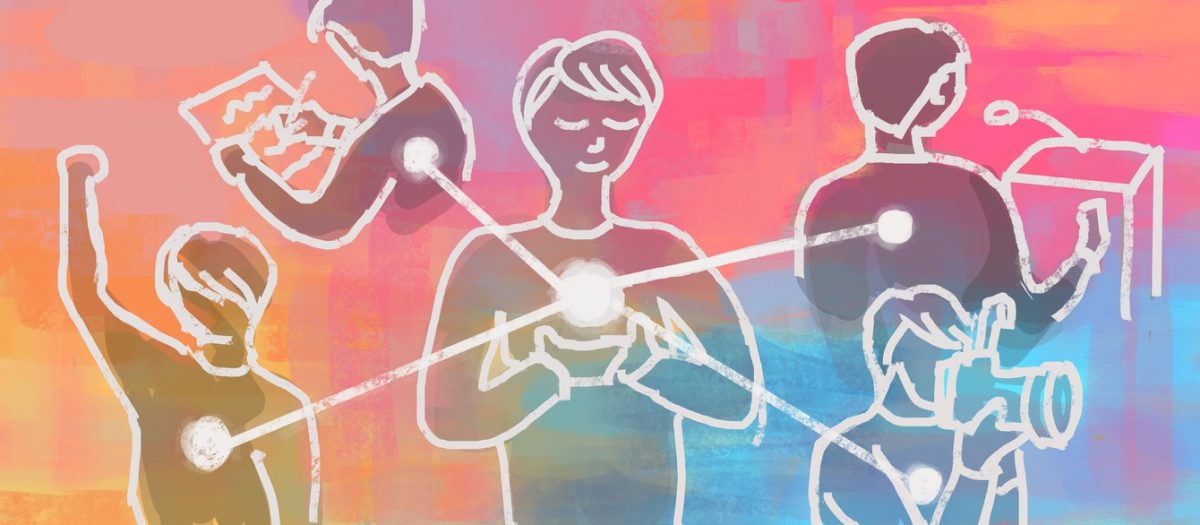


























For the past year, it’s been difficult to walk through the school hallways without hearing the word “niche.” It has evolved from a biology class vocabulary term to an everyday phrase. “I’m niche.” “That’s so niche.” “You’re not niche.” But what does it even mean? According to MerriamWebster, its dictionary definition is “a place, employment, status, or activity for which a person or thing is best fitted,” but that is almost certainly not how people use it today. In slang, niche has become an adjective synonymous with “special,” something that everyone seems to strive for. But are you really “niche” at all?
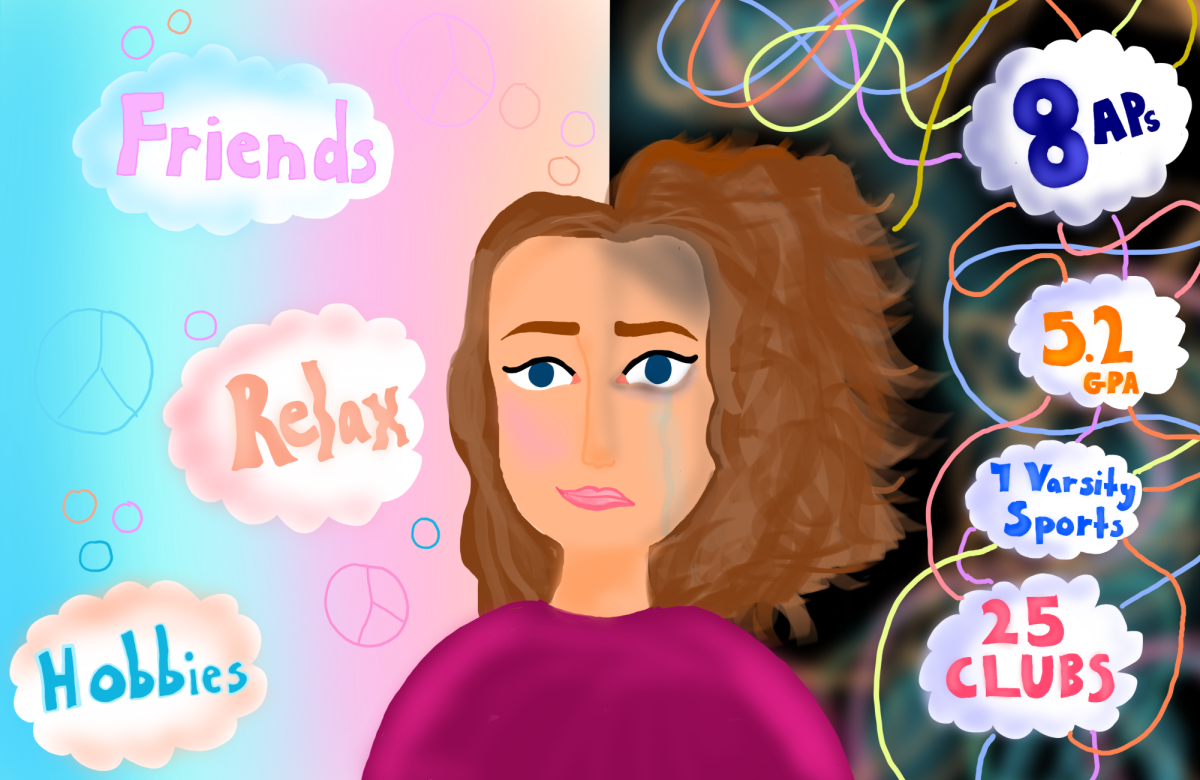
Everyone is guilty of attention seeking once in a while, subtly or otherwise. Although this is a common and understandable human occurrence, we are now going to further lengths to achieve uniqueness, acting in a way that could affect our own happiness or that of others.
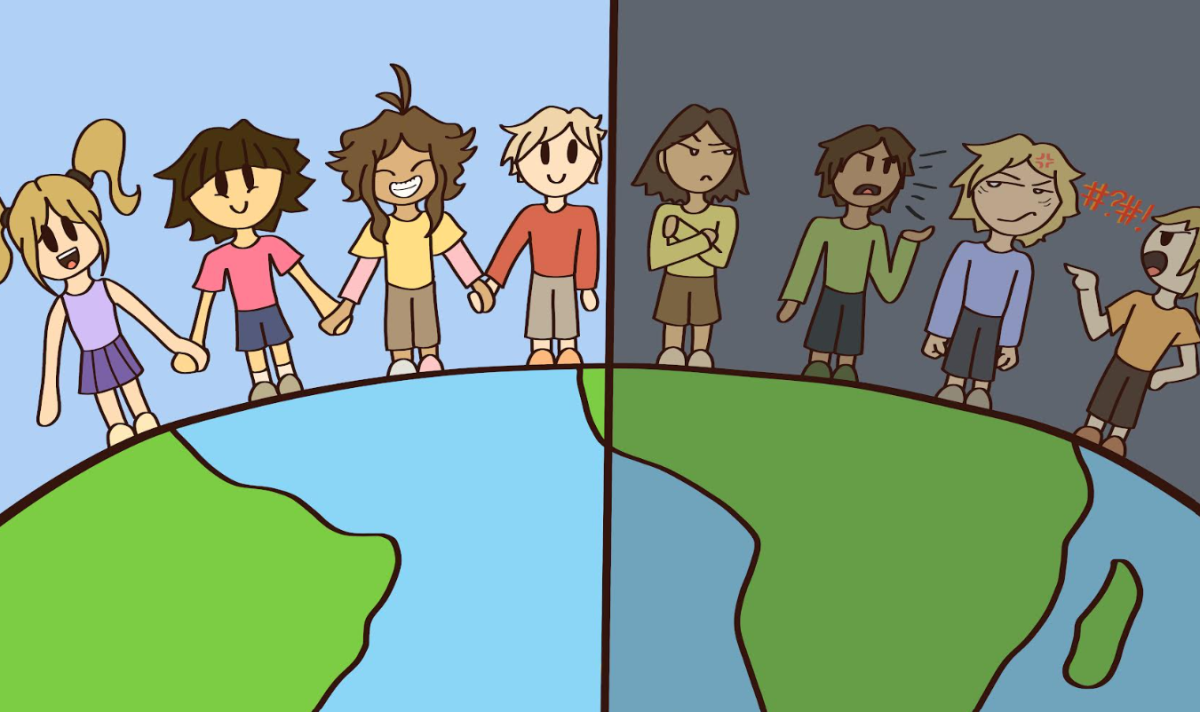
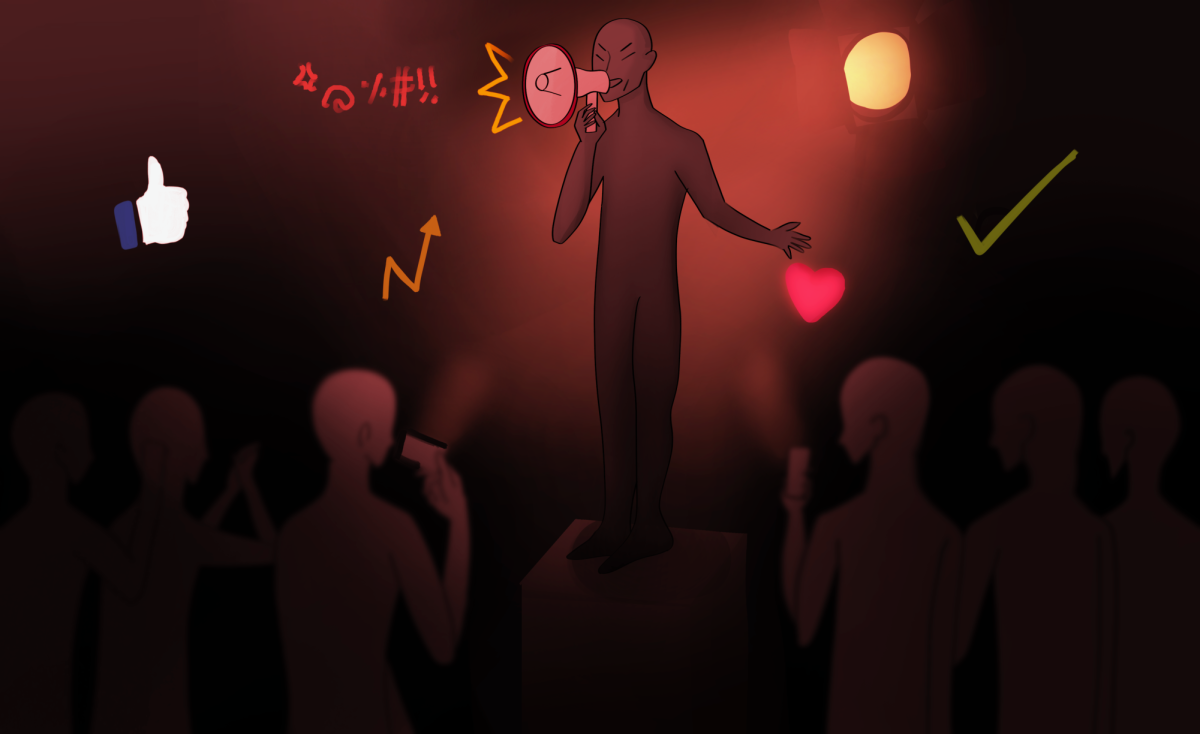
With social media increasing the accessibility of projecting and encountering opinions, users feel more obligated to share theirs, taking on unnecessarily hateful opinions for the sake of standing out. They crave the attention they get from it, savor the outbursts from peers or strangers online about anything from movies to books to musical artists. The downside to this, other than the rise in negativity as a whole, is the loss of genuine thoughts and honest relationships. If everything is a ploy for originality, what can we trust anymore? Eventually, these “hot takes” will become unoriginal too, won’t they?
Still, this desire to be distinctive makes sense. Based on a study by the USC Annenberg x ACC Think Tank research program that looked at 149 Gen Zers, 78% reported that they were part of sub-communities based on their non-mainstream interests, and 74% wanted brands to cater to their interests in a way that made them feel special. College applications require students to be different from everyone else, to craft a life that stands out. Being seen in general requires people to not just be clones of everyone else. And, of course, we’ve been given the “don’t change yourself to fit in” speech. However, we shouldn’t change ourselves to be unique, either.
Ultimately, the motivation behind every action and opinion should be our own enjoyment, not bragging rights about being “deep” because we don’t follow trends. In building our personalities around doing whatever isn’t a trend, the same consumerism that we pride ourselves in not caring about is technically leading us, too. Read that BookTok romantasy novel because it draws giggles. Watch that trashy TV show even if it has no real quality. Listen to that singer that your friends complain is overhyped. You don’t have to be niche, and although it’s perfectly acceptable if you are, you shouldn’t have to perform opinions to get there.
Kimberly Wang can be reached at [email protected].