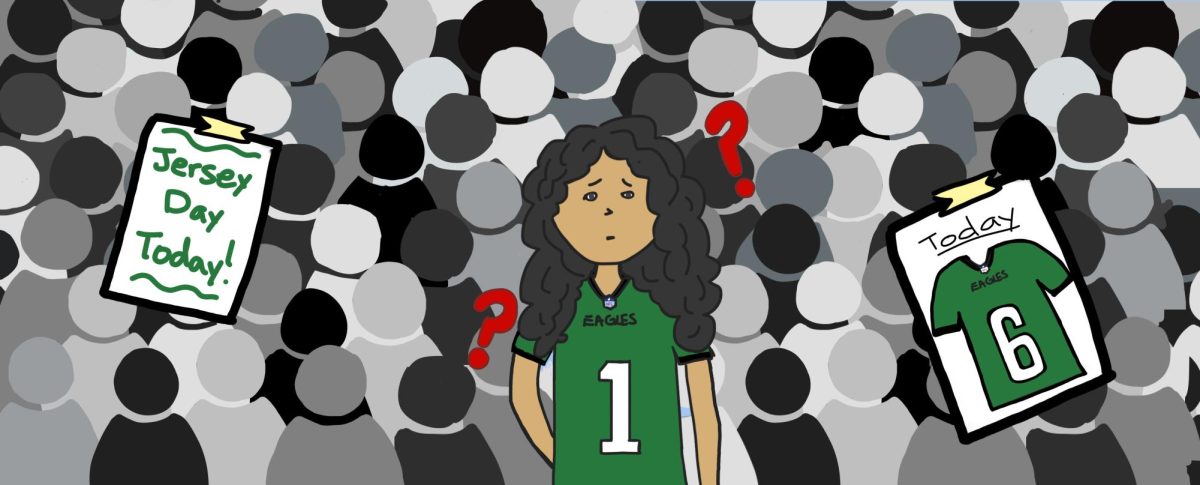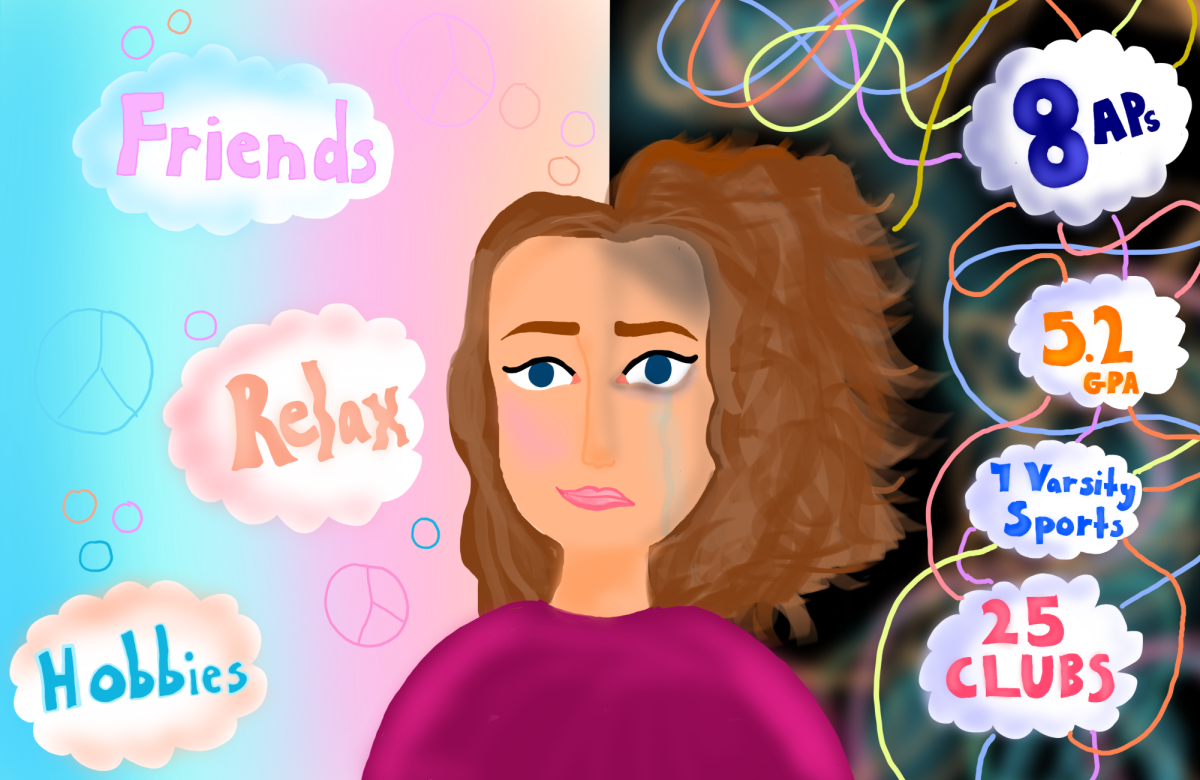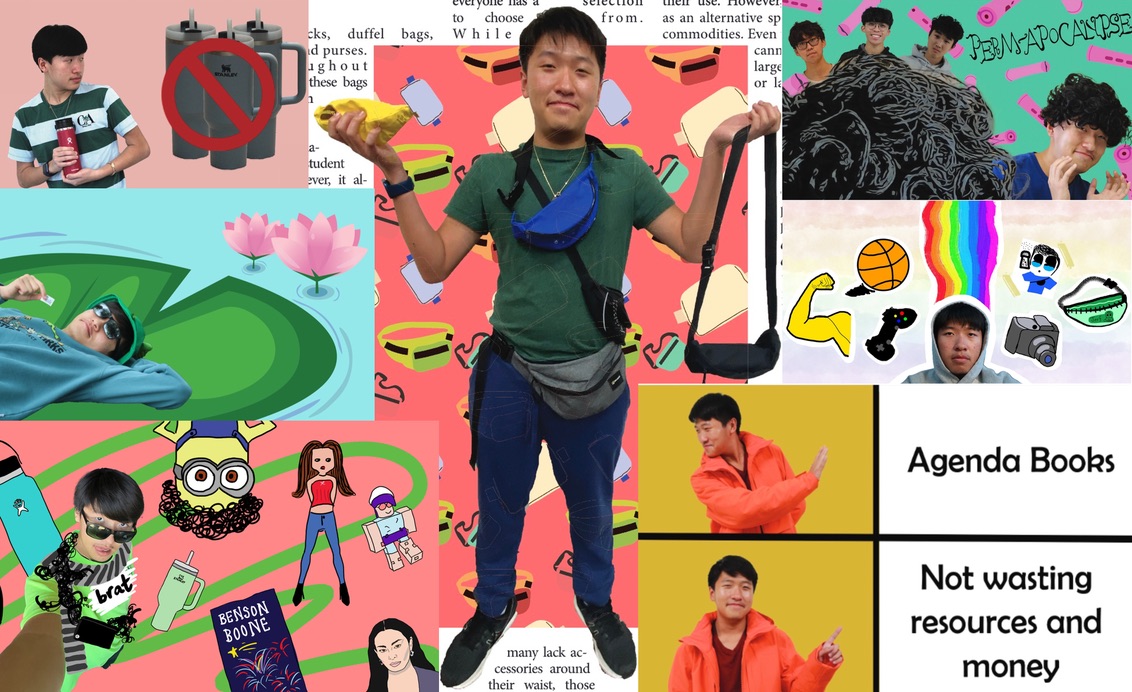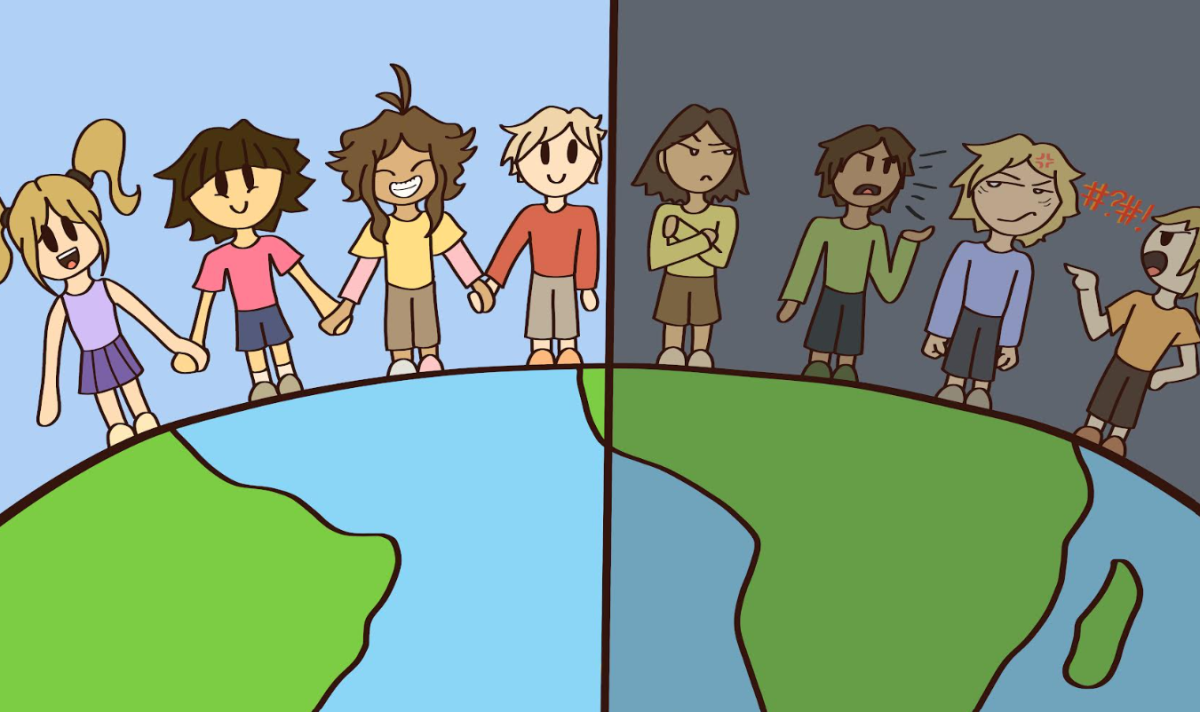












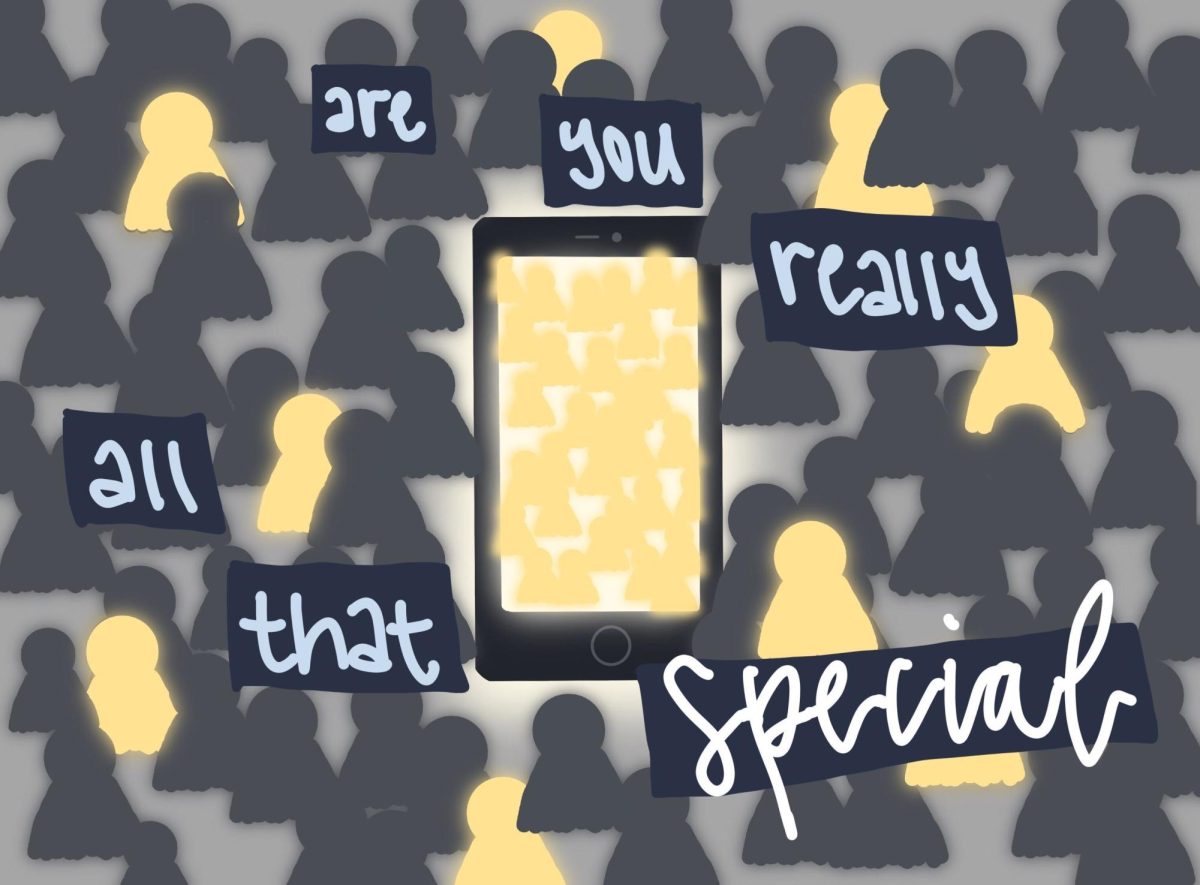

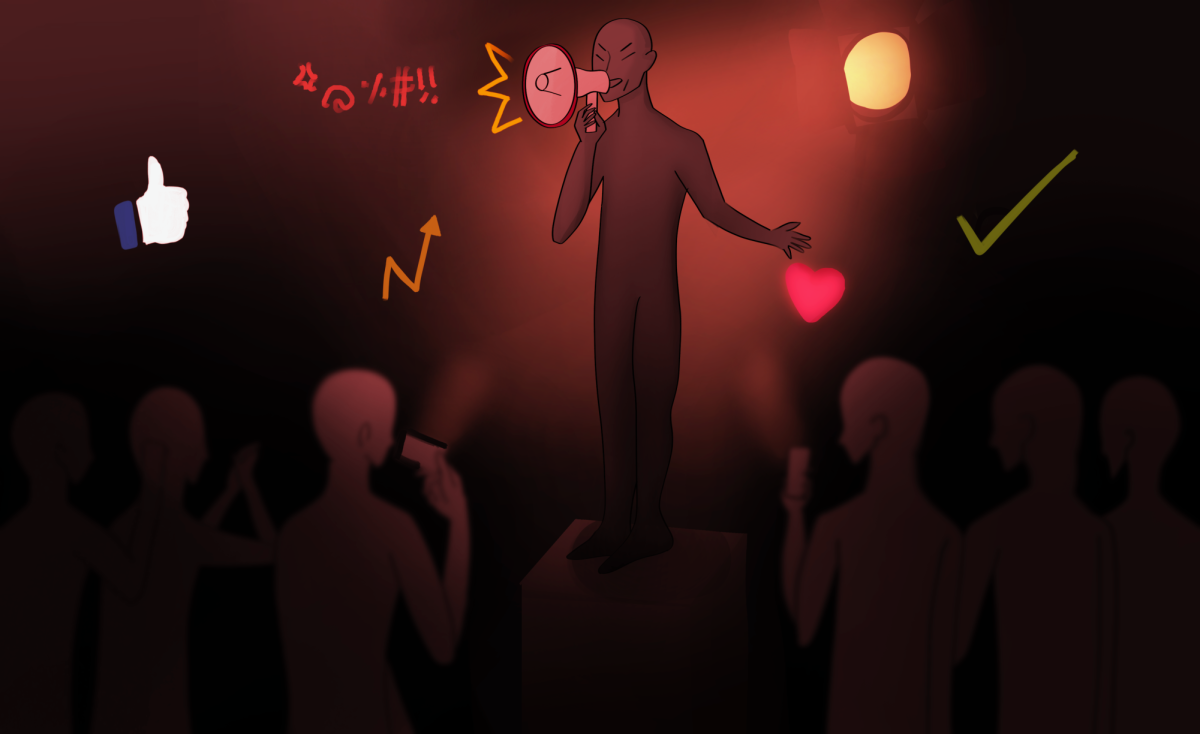




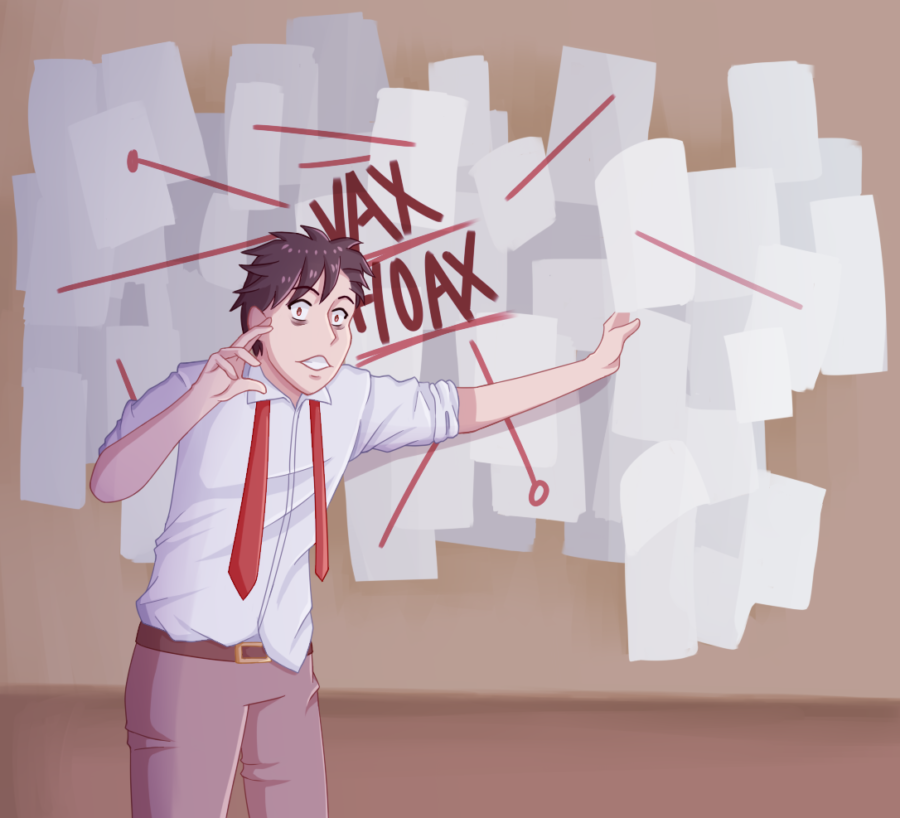
































Throughout history, there have always been those who reject the hype and go their own way. But since the rise of social media — where any opinion can be made public — going against the grain has become its own status symbol. Those who choose to enjoy popular, “basic” media are often looked down upon, with social media amplifying voices on both sides of the argument. When did embracing mainstream media become an indicator of intelligence?
The human urge to stand out and carve a place for oneself transcends time. In the age of the internet, how does one distinguish themselves from the faceless crowd? For some, especially among Gen Z, individuality comes in the form of gaining supposed intellectual high ground. However, our obsession with looking down upon popular media has led to an often-performative display of negativity rather than encouraging productive criticism.
Cynicism is too often equated with nuance or depth; the line between a thoughtful critique and an unnecessarily negative review has been blurred. Social media is not all to blame — the inherent tendency in humans to fixate on the negative could be a significant factor. According to a 2021 study published in the National Library of Medicine, the psychological phenomenon of the “negativity bias” causes people to focus much more heavily on the negative events in our lives rather than the positive, affecting almost all humans. We are hardwired to think negatively, but this does not have to impact how we consume media and interact with others.
As we spend more time on social media and allow it to impact us, the negativity we express online bleeds into our daily lives. When we surround ourselves with negativity, it affects the way we interact with each other and the world. Whether you’re discussing a new pop album or current affairs, it’s neither productive nor healthy to only enforce pessimism. Facing the world with stubborn cynicism does not make you more intellectual.
Criticism is beneficial for how we consume media, especially in the age of artificial intelligence and fake news. But there is nothing wrong with harmlessly enjoying things, even if it’s “basic.” The negativity that we spread in order to make ourselves seem more interesting is impacting our ability to enjoy media or critique it productively. Engage in criticism if you wish, but don’t instantly “hate on” something because it’s popular. Negativity benefits no one.
Paige Vachris can be reached at [email protected].