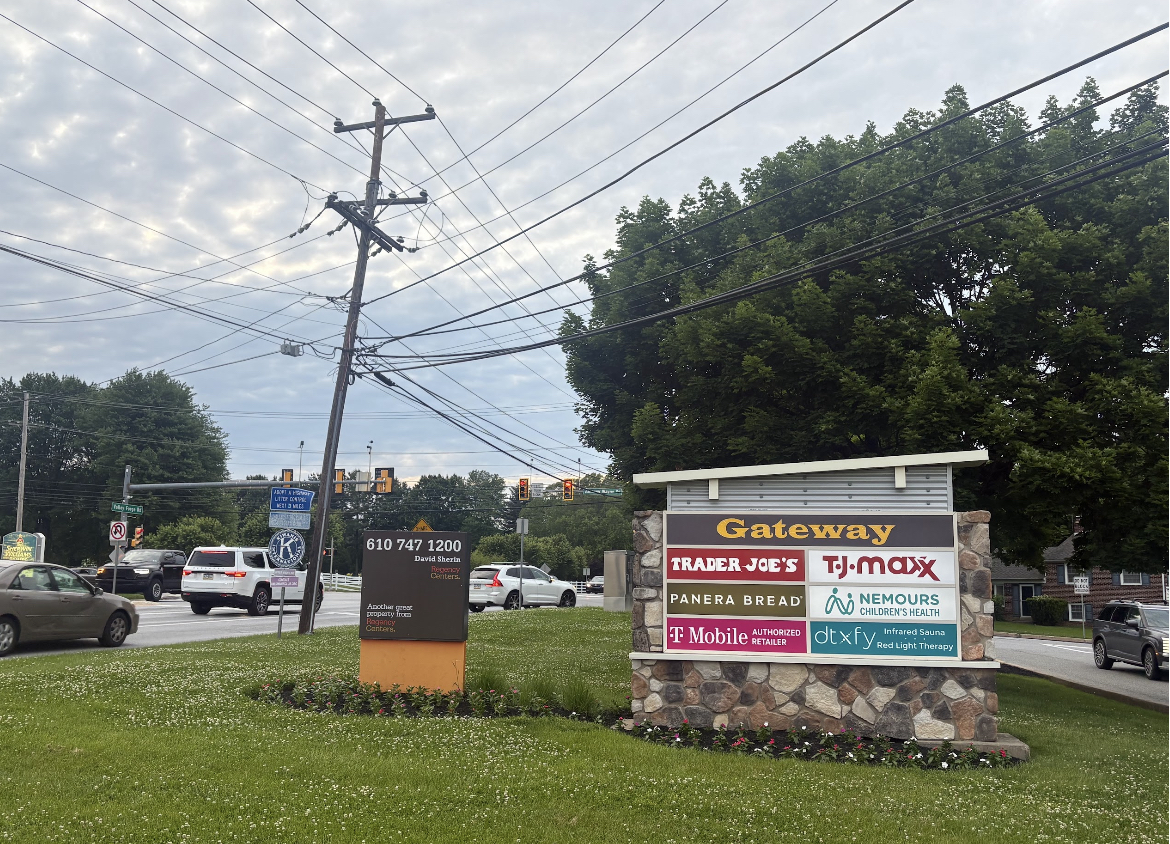





































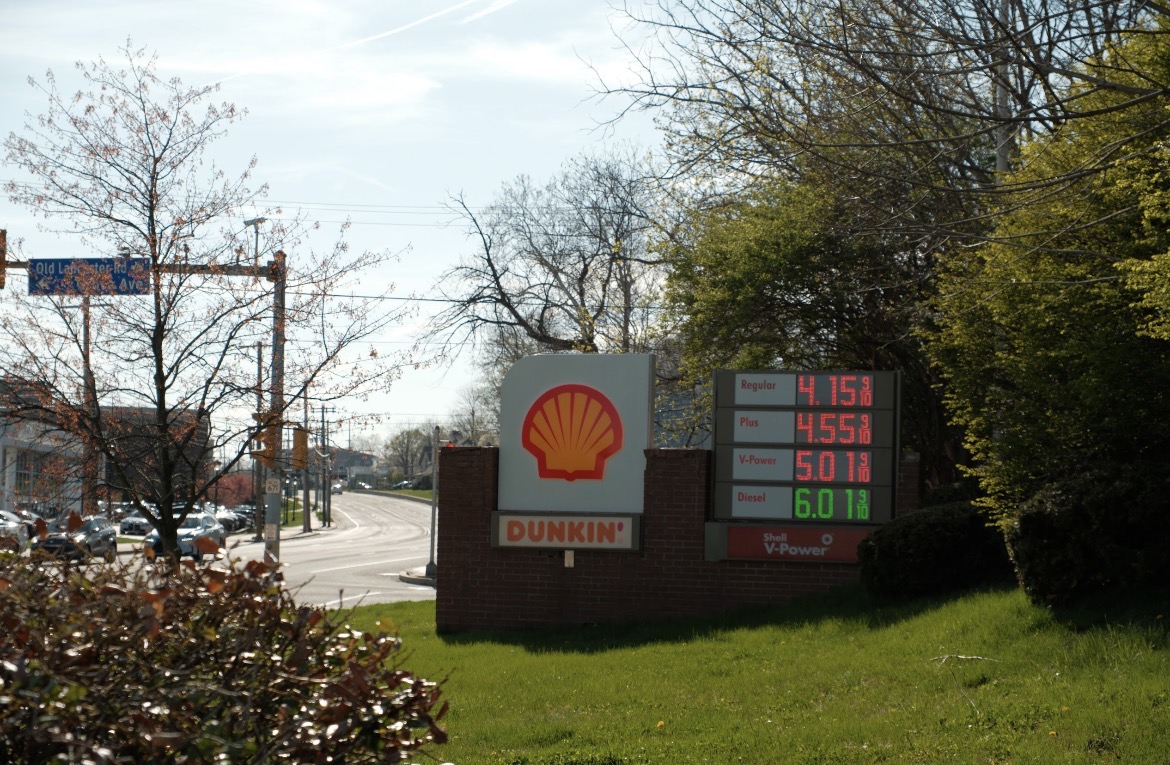
Berwyn residents line up at gas stations as they now pay more than $4 per gallon of standard gas. Due to the conflict in Iran, rising fuel prices have impacted communities in the local area.
The conflict in Iran has prompted additional responses within the community, such as concerns regarding family members in Iran. Freshman and Iranian American Farbod Bazyar has family in Iran. When the conflict began, he became worried about their safety.
“I learned (of the conflict) in late January or early February, and my reaction was like, ‘My family in Iran, what would happen to them if something went wrong?’” Bazyar said.
On Feb. 28, the U.S. and Israeli governments launched Operation Epic Fury, a series of airstrikes targeting high-ranking Iranian officials, killing the regime’s supreme leader, Ali Khamenei. In response, the Iranian regime sent retaliatory strikes at Israel and multiple U.S. military bases in the Middle East in countries such as Kuwait, Saudi Arabia and Qatar. According to Reuters, there have been almost 6,000 casualties of civilians, military personnel and government officials combined since the start of the conflict.
According to the U.S. Energy Information Administration, Iran is the sixth-largest world producer of oil. In retaliation of the strikes, Iran closed the Strait of Hormuz on March 2. As a key global shipping route that carries roughly 20% of the world’s oil, the action restricted oil supply and raised gas prices worldwide. On April 7, President Donald Trump, in an attempt to stabilize gas prices, announced a two-week cease-fire to pause the attacks while Iran opened the Strait of Hormuz.
According to the American Automobile Association, as of April 8, average gasoline prices in Pennsylvania rose to around $4.19 per gallon of standard gas, roughly a 34% increase since before the conflict. Economics teacher Justin Davey feels that the impacts of a disrupted global oil market are expansive.
“If there’s a crucial artery of trade that gets blocked up in the Middle East or anywhere else, the nature of the globalized economy is such that the effects of that are very difficult to anticipate and are far-reaching, probably beyond what you would just immediately think like gas pumps,” Davey said.
In addition to gas prices, communication blackouts have also restricted internet access for people in Iran since the beginning of the conflict. Iranian American Arezo Ghahremani and her family have experienced issues with contact and worry about their family’s well-being in Iran.
“We’re always worried because we can’t call our relatives, and (we) have a lot of families that live in major bomb cities,” Ghahremani said. “We can only get a hold of (our relatives) if they call us, which is like once every month. So we never really know what’s going on.”
Similarly to Ghahremani, junior and Iranian American Arvin Tanha has family members in Iran and said that the conflict has impacted his contact with them.
“I do have a good amount of family currently there and they are in the parts that are being hit kind of heavily,” Tanha said. “Contact has been crazy difficult recently because obviously the internet keeps cutting out — the government’s cutting it — but WhatsApp has been able to stay up and some underground and secret apps devoted for communication.”
Lauren Pinheiro can be reached at [email protected].
Nolan Talley can be reached at [email protected].