

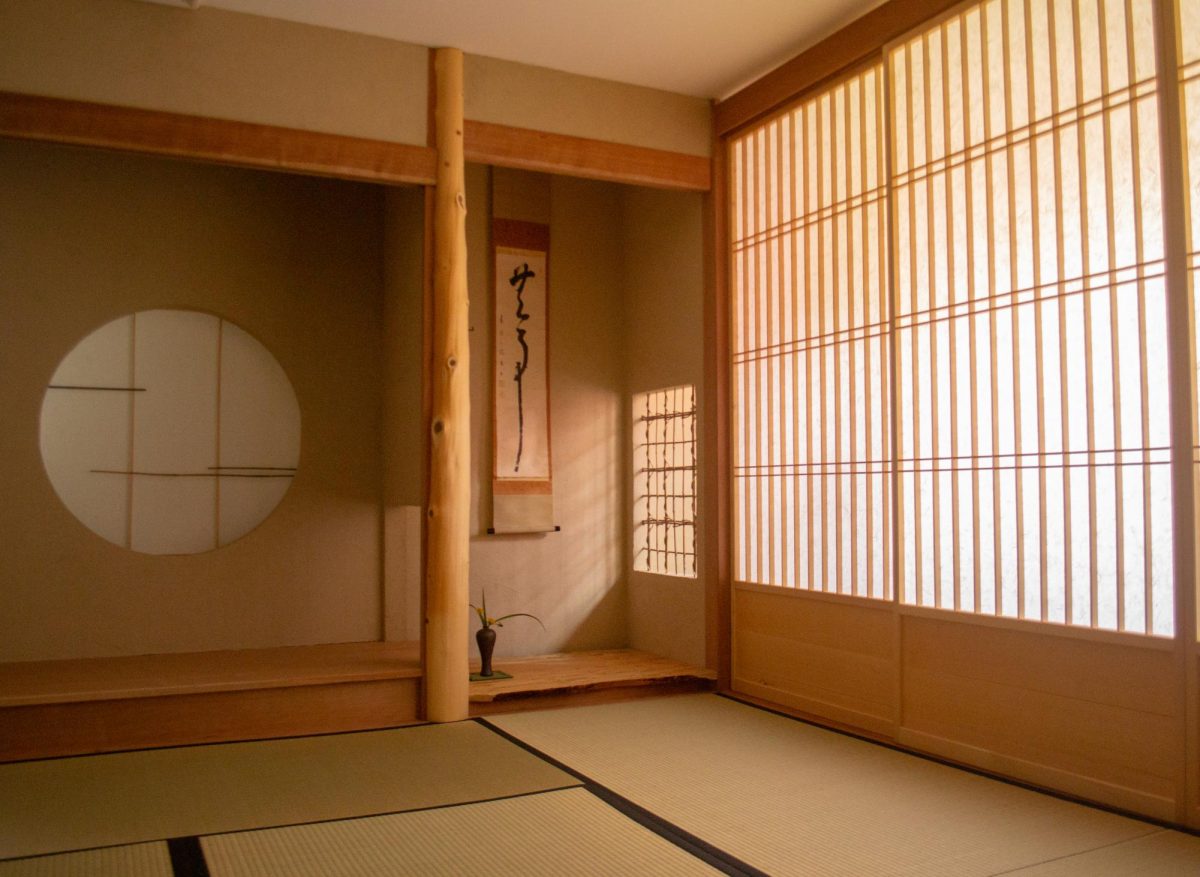












































Students delicately pour tea from handmade cups to each other, following the instructor’s directions. On May 29, around 10 Asian Student Alliance (ASA) club members attended an interactive tea workshop where they made tea, learned tea ceremony etiquette and acquired cultural respect. Tea artist and scholar Bin Wu guided students in the demonstration and organized the event at Conestoga.
“These opportunities aren’t very frequent, and we welcome any opportunity with open arms,” said junior and ASA president Jocelyn Huang. “We (were) really excited, especially to connect back to tradition. It (was) just (a) really interesting (experience) for us.”
At the tea workshop, students paired up and took turns learning the etiquette of being a host and guest at a tea ceremony. Wu showed students how to drink and make tea following traditional Japanese Cha Dao tea ceremony decorum. Wu also taught club members the four principal elements of tea sharing: harmony, purity, tranquility and respect. Cha Dao embraces these elements through its emphasis on acceptance and peace between people.
“I’m inviting people from all kinds of backgrounds to share the essence of the tea ceremony. That’s the mutual respect (part of the ceremony). The respect to each other regardless of our cultural background and regardless of (the) language we use,” Wu said. “And then based on that mutual respect, we can understand each other and appreciate each other, and then we can collaborate with each other. That’s the beauty of (a tea ceremony).”
Wu began teaching tea ceremonies to communities 10 years ago. She has set up tea experiences at museums, senior centers, universities, libraries, art centers and schools, including one at NEES. When Wu received an email requesting volunteers for an art program at Conestoga, she took the opportunity to reach out about her passion for tea ceremonies and interest in organizing a tea workshop and got in touch with ASA. Wu feels that through sharing and teaching tea ceremonies to the community, she can build cultural respect among participants.
“Through conducting cultural-heritage-associated workshops or events, it really reminded me who I am and the cultural heritage we inherited from our ancestors,” Wu said. “It’s (the tea ceremony is) something (that) really builds up who we are, and that’s always given me pride to present this (ceremony) to the audience, to the communities.”
ASA has planned many events to celebrate Asian culture this year, including a Lunar New Year potluck and Chinatown trip. The club recently went to BES on May 26 to read Desi and Korean picture books to kids for Asian American and Pacific Islander Heritage Month. Huang feels it is important to commemorate Asian culture through events such as the tea ceremony that club members attended.
“Right now, it’s really easy to forget where we go back to — our roots, our traditions, especially our cultural values,” Huang said. “I believe that it’s really important to go back to that, to remember where we came from, who we are and what we really are celebrating.”
Sophia Cui can be reached at [email protected].