




























































Walking through the cafeteria, the sounds of students talking, clicking on keyboards and rushing through homework before class fill the air. And yet, for a period dedicated to consuming food, I personally find myself surrounded by a sparse number of people actually eating anything — let alone a full, healthy meal.
As a girl growing up with family, friends, strangers and social media comments emphasizing the importance of being “skinny,” I am no stranger to unhealthy eating habits in favor of gaining the “perfect” body. High schools, including Conestoga with its competitive academic environment and features such as Lunch and Learn, can unintentionally influence the development of these harmful behaviors among some students.
Adolescents in general have high rates of eating disorder symptoms, with reasons varying from childhood characteristics to biological factors like puberty. According to a 2018 National Library of Medicine article, these symptoms can develop into clinical eating disorders in adulthood.
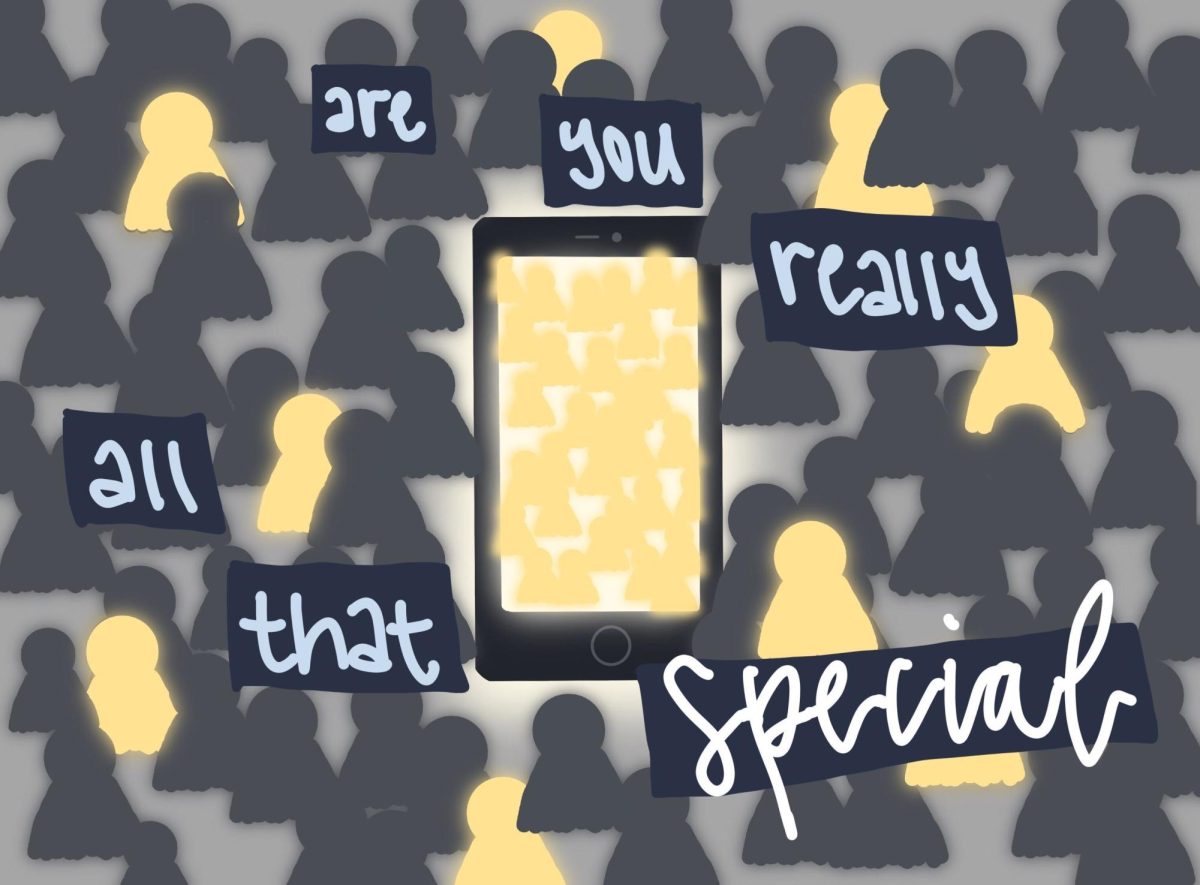
The prevalence of social media usage among teenagers can also worsen eating habits. Within Conestoga, as an example, a significant number of students utilize platforms such as Instagram and TikTok for personal as well as academic reasons. Various clubs and organizations post on social media to attract attention, which can lead to pressures to be active on these platforms and, as a result, be exposed to popular trends that promote unhealthy eating habits. According to the National Eating Disorders Association, social media use, especially posts with body image emphasis, can lead to disordered eating among adolescents, with higher rates for females.
In my personal experience, I have also found that the heavily academic-focused culture within high schools such as Conestoga has led some students to choose working over eating during their allocated lunch period or the school day entirely. With the existence of Lunch and Learn, there are opportunities for students to continue attending meetings or doing work for an hour, as school organizations often try to meet during the period — sometimes featuring meetings back-to-back.
Additionally, I have heard of a few instances in which teachers chose to eat outside of regular times due to meetings or work during the allocated lunch periods. Although the decision not to eat during the period may not be directly negative for the student or teacher, it can unintentionally affect other students who observe these practices and already struggle with negative body images or eating habits.
Developing a singular, schoolwide solution to this problem is definitely not simple and should not be the focus: Eating habits are one’s personal choices, including whether they want to eat during their allocated lunch period or not. In addition, identifying whether someone has disordered eating habits is often a private matter outside of school grounds. However, staff such as guidance counselors speaking more about disordered eating habits, symptoms and warning signs may be an important first step to help discourage these patterns. Disordered eating habits develop through their environments. By starting in school, we can stop them before they start.
Faith Zantua can be reached at [email protected].