




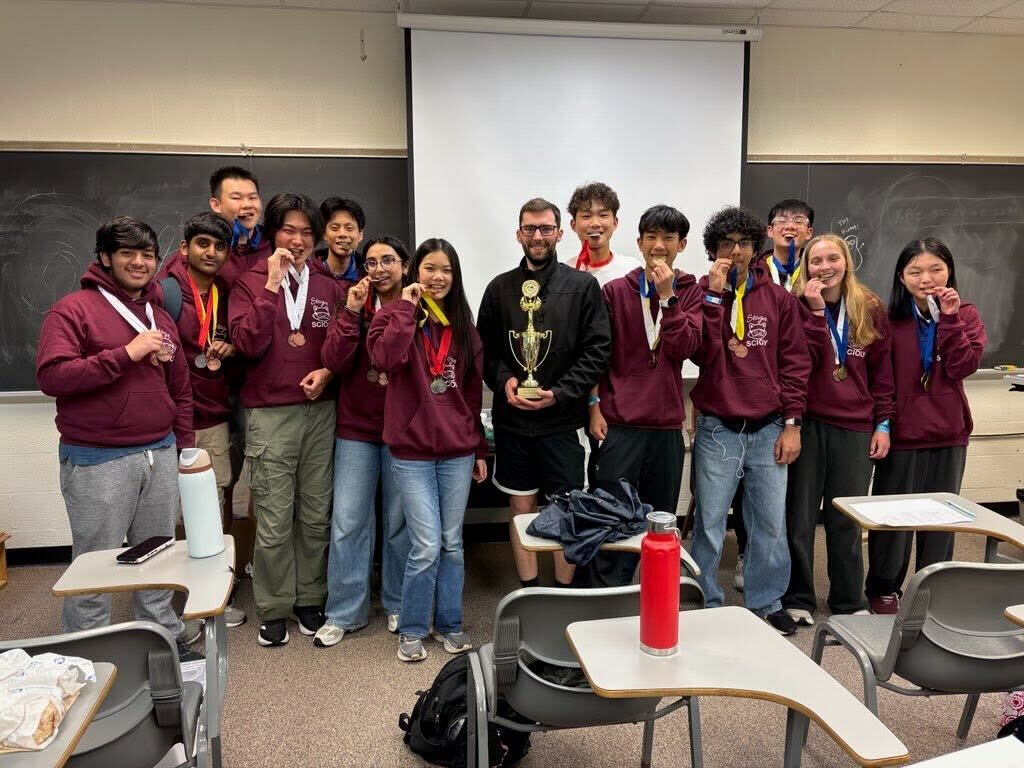














































In my freshman year, I decided to try out for the school robotics team. However, I was dismayed to find that only about 10% of the members of the final teams were girls. According to educator Franz Santos of the Megaworld Foundation, women accounted for just 28% of the STEM workforce in 2023, despite the fact that some of the field’s first pioneers were women. One of these trailblazers was Ada Lovelace, who was the first person to write a computer algorithm while wearing a tiara.
According to an article from NPR News called “When Women Stopped Coding,” for years the number of women in computer science was growing faster than men. But this rate suddenly plunged during the 1980s, around the time that personal computers gained popularity; though the number of women in other technical fields was rising. An interview of computer science students at Carnegie Mellon University in the 1990s found that “families were much more likely to buy computers for boys than for girls — even when their girls were really interested in computers.”
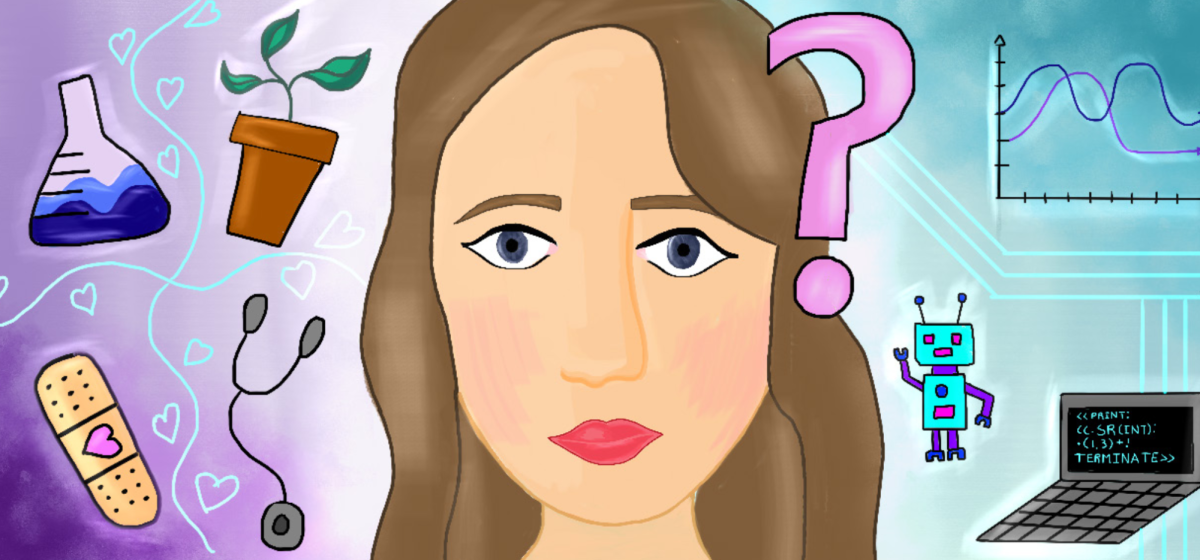
This begs the question — why are women forced toward life sciences such as biology and medicine? Girls have great potential and should be encouraged to pursue all STEM fields.
While pop culture can sometimes portray a glamorized or romanticized version of women in STEM, they are still stereotyped in these fields and are a minority. A study by the University of Washington found that biology and chemistry undergraduate degrees have the highest proportions of females compared to computer science and engineering. Women often gravitate toward more “nurturing” sciences, such as medicine, because these fields have more female mentors and fewer stereotypes or cliches.
A 2011 study at Penn State indicated that women prefer a more hands-on learning style while men appreciate an analytical approach. STEM classes often use the style preferred by men, which causes women to lose interest. It is essential to have different ways of teaching to be inclusive of everyone.
Additionally, author Eileen Pollack said that “Many women are simply raised to believe that they’re supposed to be caretakers, supposed to prefer biology.” She argues that life sciences are seen as “helping” professions, which is why women are pushed toward it.
Although people may think that women face less harassment in “caring” professions and enjoy them more, that is not the case. Women have not been given an equal chance as their male peers in STEM fields, which is why they are pushed into others with the hopes of having a better experience. It is crucial that all women are supported in an occupation of their choosing to ensure that the faces of STEM are diverse — no matter the field.
Nishta Subramanian can be reached at [email protected].