






















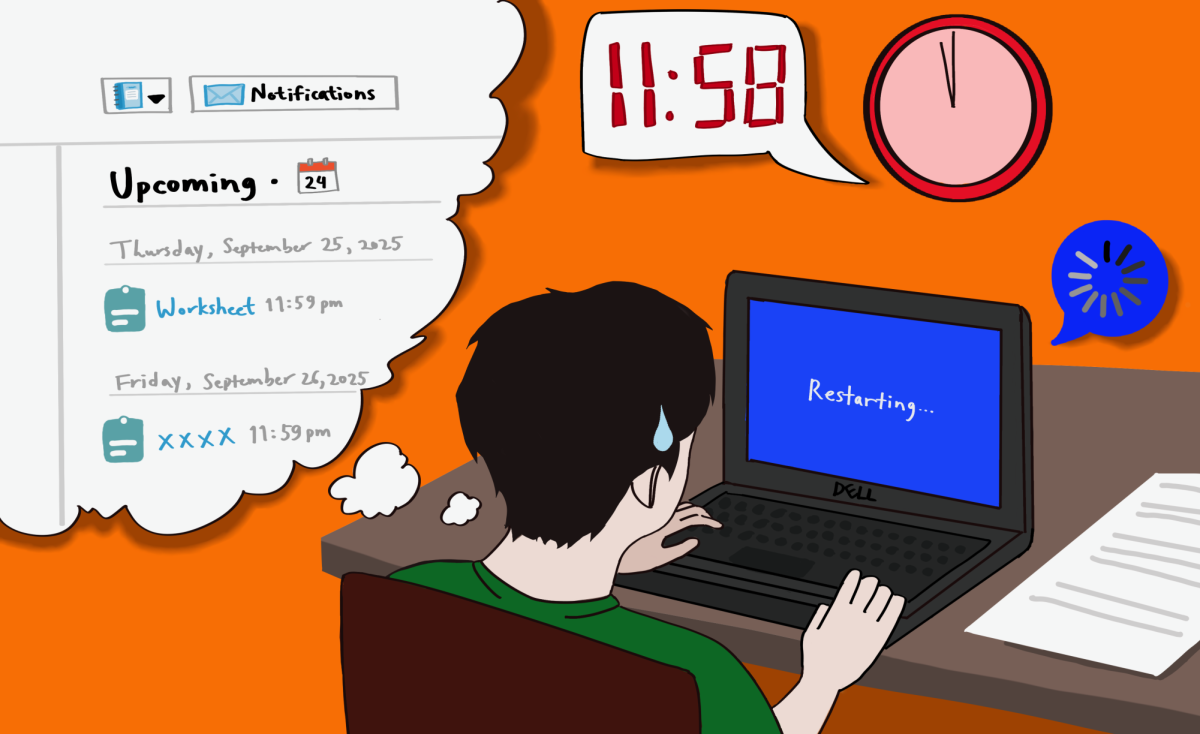
























On Oct. 1, the U.S. government shutdown took effect as lawmakers failed to pass a federal budget before the beginning of the Fiscal Year 2026. Combined with Pennsylvania’s state budget impasse, the shutdown had economic impacts on the commonwealth.
Pennsylvania began a state budget impasse in July due to conflict over educational and transit funding. Partisan divide in the federal government led to the nationwide shutdown. Some Democrats advocated for continued funding of social programs while Republicans generally proposed cuts to non-defense expenses. Both the federal and state budget stalemates led to financial stress on Pennsylvania schools.
“Across (Pennsylvania), school districts that are more reliant on state and federal funding are borrowing funds to keep operating — close to $2 billion so far,” said Dr. Roberta Hotinski, chair of the finance committee on the TESD school board. “That translates to millions of dollars in interest payments that will need to come out of their budgets.”
According to Hotinski, Chester County is expected to be minimally impacted by the shutdown. As the primary funding in Tredyffrin-Easttown is from local revenue and a fund balance of $30 million is available, the district can continue operating normally.
“Because our district receives such a small percentage of the budget from the federal government, we don’t expect to experience major financial impacts from the federal shutdown in T/E schools. However, members of our community who benefit from other federal assistance (like SNAP) may be impacted if the shutdown continues,” Hotinski said.
The shutdown influenced Federal Assistance initiatives such as the Supplemental Nutrition Assistance Program (SNAP) and the Supplemental Nutrition Program for Women, Infants and Children which did not receive funding after October. Federally funded programs administered by the state, including health, housing and employment plans, may face challenges amidst limited budgets. The Pennsylvania government stated they did not have the means to fill the gap from federal funding, meaning that communities within the state could lose their access to these programs.
Representative Melissa Shusterman, a Democratic member of the Pennsylvania House of Representatives, feels that political unity and compromise will allow the government to resolve its issues.
“Currently at the state level, our biggest obstacle, from my viewpoint, is that the Senate Leadership seems unwilling to compromise,” Shusterman said.
The State House sent three bipartisan bills to the Senate within 100 days. Representatives from the state Senate were unable to form an agreement.
While Chester County did not face significant economic struggles, the shutdown still had impacts. These effects included the inability to access $13 million in frozen federal funds and inefficient loans and federal agency services.
“My hope is that our federal elected officials and President’s administration will find a way to work together and come back to work for the American people,” Shusterman said. “At the state level, my priorities are to pass a state budget now and to continue investing in our educational systems, healthcare facilities and vulnerable communities.”
Talia Roth can be reached at [email protected].
Paige Vachris can be reached at [email protected].